

























































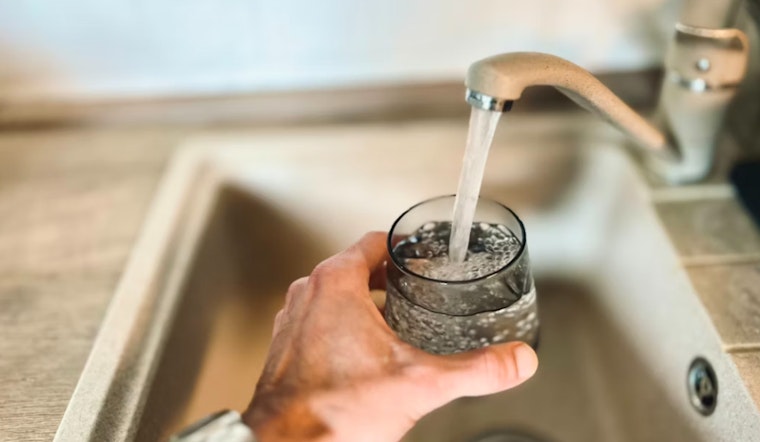
If your Philly tap water tastes like it picked up a light sprinkle of road salt this week, city officials say there is a reason. As the city thaws from recent storms, salt piled on streets and sidewalks is washing into local waterways and may leave a faintly salty taste at the tap for a few days. People on medically restricted low-sodium diets and those with kidney or heart conditions are urged to be alert to any change in taste and to check with their clinicians if they have concerns.
Where the salt goes
Crews spread rock salt (sodium chloride) and brine to keep roads and sidewalks safe during winter weather. Once the snow and ice begin to melt, that salt dissolves and flows into storm drains, then into small tributaries and the larger rivers that feed the city's treatment plants. "Salt in the waterways has been doubling about every 20 years," John Jackson told CBS Philadelphia. Monitoring by the Stroud Water Research Center and volunteer networks has documented sharp conductivity spikes, in some small urban streams reaching levels comparable to seawater concentrations after winter storms.
What the city is doing
The Philadelphia Water Department says it is ramping up testing and closely watching mineral levels at its plants to ensure treated water continues to meet federal and state requirements. The Philadelphia Water Department reports a rise in customer testing requests and offers free testing and a hotline for anyone who notices unusual taste or odor. There are no federal maximum contaminant limits set specifically for sodium in drinking water, so utilities rely on monitoring, treatment and advisories rather than an enforceable federal standard, according to the National Academies.
Health risks and who should be careful
For most people, a short-term uptick in dissolved salt is not expected to cause serious harm. Excess sodium, however, contributes to high blood pressure and increased cardiovascular risk, the Centers for Disease Control and Prevention says. Federal health guidance emphasizes that people with hypertension, kidney disease or other conditions should pay particular attention to their sodium intake. Drexel University lists Arthur L. Frank as an environmental and occupational health expert, and local public health voices have urged that those on strict low-sodium regimens take special notice when source waters spike. Drexel University
How residents can reduce risk
If you notice a salty taste and are on a restricted diet, experts say you can consider using bottled water or point-of-use treatment that removes dissolved solids. Longstanding guidance cited by researchers suggests distilled or reverse-osmosis water for people on very tight sodium limits. The National Academies notes that utilities and clinicians use specific benchmarks to advise higher-risk patients.
To cut down on how much salt washes into streams in the first place, Stroud and local watershed groups encourage shoveling and then sweeping away excess salt from sidewalks, storing bulk salt carefully and avoiding heavy over-application. The city also moved thousands of tons of salt onto streets this winter, a scale local outlets have reported. Stroud Water Research Center and PhillyVoice
If you experience a persistent salty taste or other water-quality concerns, you can report them to the Philadelphia Water Department at (215) 685-6300 or visit the Philadelphia Water Department website for testing options and updates. The department says it will continue monitoring the melt and will update customers as results come in.





