

























































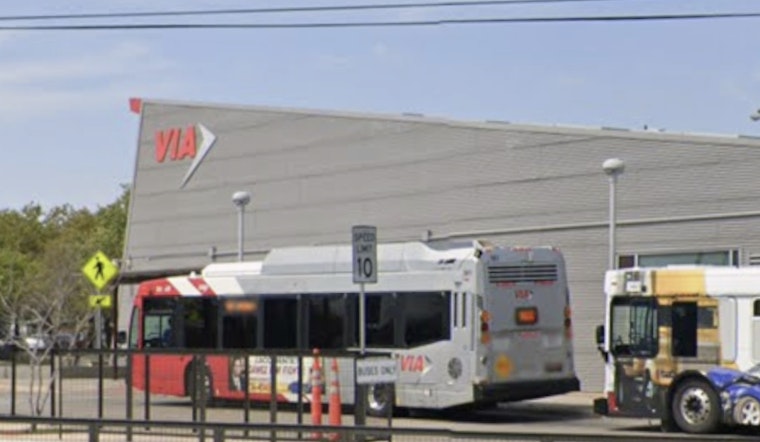
VIA Metropolitan Transit is gearing up for a major bus shake-up in San Antonio, tightening wait times, trimming some stops and adding new direct trips that could finally make transit workable for more daily errands and commutes. The agency plans to roll out a package of route realignments and frequency boosts in phases this spring, with a big wave of changes landing in May. VIA leaders say the bet is simple: if they cut the wait, riders will come back, and that matters just as much as keeping fares low.
What VIA Is Proposing
The plan mixes more frequent service, redesigned routes and new lines aimed at pushing reliable transit beyond Loop 410 while strengthening links to major job hubs and medical centers. Agency materials spell out specific headway upgrades, a list of routes that will be retired or replaced, and several new lines scheduled to run every 20 to 30 minutes on key corridors. Riders can dig into the full slate of proposed changes and route maps on VIA’s service-change page, according to VIA Metropolitan Transit.
Modeling Says Frequency Drives Ridership
VIA’s own number crunching suggests that how often a bus shows up is the real deal-breaker. Agency modeling estimates that about 84% of people would be willing to ride transit if a bus arrived every 10 minutes, but that interest drops sharply when waits creep toward 20 minutes. Today, VIA reports that roughly 72% of rides involve waits of 30 minutes or less, and officials say those benchmarks shaped where they chose to boost frequency. “What they are asking for is more frequency and more bus service,” VIA President and CEO Jon Gary Herrera said, while some riders also point to the system’s low $1.30 fare as a reason they would ride more often, according to KSAT.
When Changes Take Effect and How To Weigh In
Many of the proposed tweaks are scheduled to kick in on May 4, 2026, and VIA is hosting informational pop-ups and formal public hearings across the city in February so riders can speak up before anything is finalized. The proposal features new offerings such as a Brooks and Medical Center express route, more frequent service on dozens of lines and targeted stop consolidation meant to speed buses along busy corridors. VIA has posted maps, draft branch schedules and a calendar of hearings for riders to review and respond to, according to VIA Metropolitan Transit.
Why Now: Staffing And Past Rollouts
VIA officials say a mix of fresh hiring and local funding has opened the door for this round of upgrades. The agency recently brought on scores of new operators and in January rolled out what it describes as the largest single set of service improvements in its history, touching about 30 routes and creating the breathing room to speed up the Better Bus Plan. Those staffing gains, coupled with voter-approved funding, allow VIA to chase a faster and more frequent network without immediately buying a huge number of new buses. Industry coverage frames the January package and recent operator hiring as the groundwork for the broader May changes, according to Metro Magazine.
Riders Say Frequency Will Decide Success
Neighborhood riders and transit advocates say that shorter waits and more direct rides to work sites and medical hubs could make the system genuinely useful for daily life, but some are wary that consolidating stops will mean longer walks in parts of the city. Local coverage has captured a mix of optimism, with many people saying they would ride more if buses came reliably, and concern about tradeoffs on routes that may be realigned or eliminated. That split reaction is surfacing as VIA prepares its February hearings and final schedule postings, according to Express-News.
If the changes deliver on faster trips and cut down those long waits, transit planners say VIA’s redesigned network could become a realistic daily choice for more San Antonians. The upcoming hearings and spring rollout will offer an early test of whether improved frequency alone can convince people to leave their cars parked.





