

























































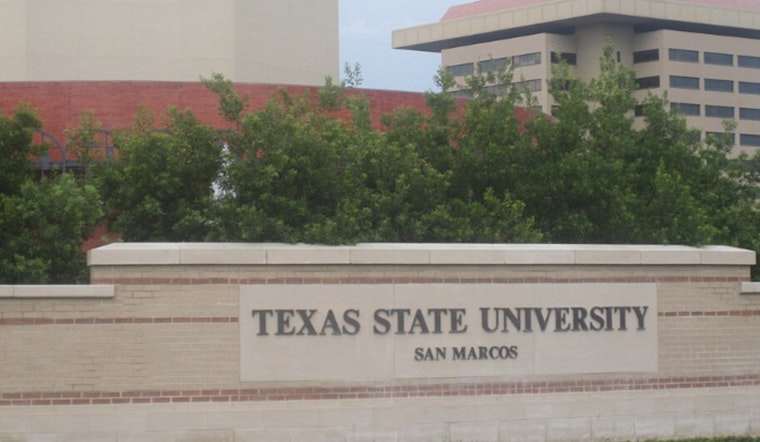
Texas State University’s plan to fire solid rocket motors at its Freeman Ranch outside San Marcos is landing with a thud among river and groundwater advocates who say the site is too close to the region’s drinking water lifeline. The university wants to build a static test pad, where engines are bolted to the ground instead of launched, to test motors developed with X‑Bow Systems. Opponents acknowledge the rockets will not be leaving the pad, but warn that particles, leftover propellant, or a failed test could still send contaminants into the karst limestone that feeds the Edwards Aquifer and the springs downstream. University officials say the tests will include containment and remediation, while local groups argue that only moving the project off the recharge zone truly takes the risk off the table.
The work is part of a cooperative research agreement announced in November 2024, under which Texas State says it will help build a small facility at the Freeman Center to support testing, validation, and student training. In its announcement, the university described Freeman Ranch as “an ideal setting” for applied research and said operations would be integrated thoughtfully into the ranch’s long-standing stewardship plans, according to Texas State University.
X‑Bow Systems, which has raised sizable funding rounds and is building a major production campus in nearby Luling, says the Freeman tests will help scale advanced solid rocket motor designs for defense and space customers. The company’s materials lean into the manufacturing and national security angles and stress that the activity at Freeman will be static tests rather than launches, according to PR Newswire.
Neighbors and river advocates are not reassured. They argue the Freeman site sits directly on the Edwards Aquifer recharge zone and that routine testing, even if controlled, could leave residues that wash into groundwater during storms. “They’re going to go straight into the aquifer,” San Marcos River Foundation director Virginia Parker told reporters, and her group has launched a petition asking the university to relocate the tests, according to Spectrum News.
Environmental scientists and federal agencies point to perchlorate, an oxidizer commonly used in solid propellants, as a particular concern. The chemical is highly soluble and can move from soil into groundwater, and contamination at manufacturing or test sites has historically been difficult to clean up, according to the U.S. EPA. Health assessments have also flagged risks to thyroid function at sufficient exposures, per the perchlorate toxicology profile on NCBI/ATSDR.
Permits and oversight
Texas State says all testing will be done under controlled conditions on a specially designed concrete pad and that any water used during testing will be collected, treated and disposed of under environmental procedures, according to the university release. The school also says X‑Bow has obtained the required permits and will comply with Texas Commission on Environmental Quality rules. Even so, advocates say the public has not yet seen full contingency plans or detailed monitoring proposals, concerns that have surfaced in regional coverage of the project, as reported by Yahoo News.
Why the Edwards Aquifer matters
The Edwards Aquifer supplies drinking water to roughly 2.5 million Texans and sustains major spring systems, including the San Marcos and Comal springs, which makes potential contamination a regional issue rather than a purely local squabble, according to the Edwards Aquifer Authority. That broader importance helps explain the fast response from conservation groups, whose petition drew dozens of signatures within days of going live on Change.org.
Texas State and X‑Bow frame the project as a Hill Country win that brings research opportunities and workforce training, with safety measures built in. Opponents counter that relocating the tests away from the recharge zone is the only sure way to protect local springs and drinking water. In the coming weeks, residents can expect more community meetings, fresh questions for regulators, and pointed requests for monitoring details as the fight over what happens at Freeman Ranch continues to heat up.



