

























































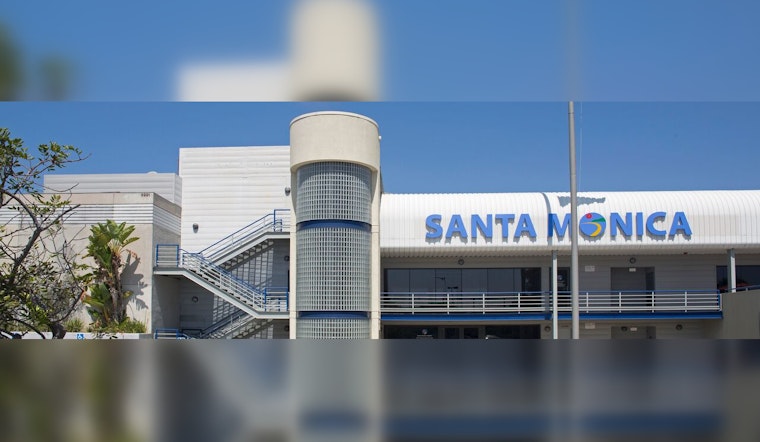
Santa Monica’s City Council is teeing up a double-header this week that could reshape one of its key corridors and shake loose some of downtown’s stubbornly empty storefronts. On the table: nearly $590,000 for a safety study of Santa Monica Boulevard, plus zoning and fee tweaks designed to make it easier and cheaper to turn vacant retail spots into restaurants. Councilmembers are also set to head into closed session to talk possible housing and shelter negotiations. What they decide could steer both street design and downtown business activity for years.
What the safety study covers
The Santa Monica Boulevard Safety Study zeroes in on the 2.4-mile stretch from Ocean Avenue east to Centinela Avenue and uses ten years of crash data to shape a phased set of engineering and transit recommendations, according to the City of Santa Monica. The study looks at how to improve conditions for people walking, biking, driving and riding transit, and builds on the city’s existing Vision Zero and Local Roadway Safety Plan work. Staff conducted community outreach through 2024 and 2025 before finalizing the recommendations.
Funding and council items
The study is funded mainly through a state sustainable-communities planning grant, with local matching dollars bringing the total to about $590,000. If the council signs off, staff say they will start lining up money for Phase 1 and chase bigger grants to pay for construction, as reported by the Santa Monica Daily Press. That outlet also noted that Transportation and Mobility Director Anuj Gupta has been leading the effort, and that staff held a public open house at the Santa Monica Family YMCA last September.
On the business side, a discussion item from Mayor Pro Tem Jesse Zwick and Councilmember Lana Negrete asks the city manager and city attorney to spell out ways the city could help convert long-vacant retail spaces into restaurants. That could include fee waivers and help with tenant improvements, concepts they want analyzed and brought back for council consideration.
Zoning moves to speed openings
Those ideas build on a broader push to make it less of a slog to open and operate a business in Santa Monica. Recent interim zoning changes aimed at downtown revitalization have already loosened some alcohol-permit rules and cut red tape for new commercial uses, according to the city’s own summary of reforms. City leaders say those tweaks have helped new restaurants and entertainment venues get off the ground. The current package would look at locking some of those interim rules into place permanently and extending similar streamlining tools to non-residential commercial districts across the city.
What planners are proposing
For the boulevard itself, planners are pitching a mix of quick, systematic fixes and bigger, concept-level redesigns at roughly 15 key intersections. The menu includes more consistent pavement markings, targeted turn restrictions on tricky side streets and new crosswalks, plus potential bus-only lanes on the eastern segment where they can fit, according to reporting on the study’s findings by the Santa Monica Daily Press. Presentations have also floated pedestrian scramble intersections, flashing beacons and refuge islands at wider crossings in an effort to cut down on severe injuries.
Staff are stressing phasing. Lower-cost changes could roll out relatively quickly, while pricier, full-scale corridor redesigns would depend on landing outside funding.
What the council does this week will determine whether the safety blueprint and business-support ideas move from study into real design work and construction. If the study is adopted, staff are expected to pursue grant funding for near-term fixes and return with timelines for any restaurant-conversion pilots. We will update this story after the council’s vote and once a funding schedule is released.



