

























































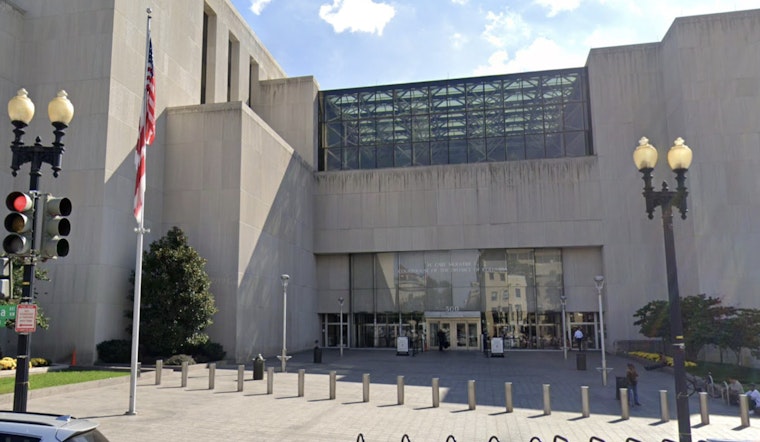
Last Wednesday (Feb. 18), a D.C. Superior Court judge hit the reset button in a closely watched civil anti-stalking case tied to Capital Pride, vacating a default that had been entered against local activist Darren Pasha. The move keeps Pasha actively in the lawsuit and converts the April 17 ex parte proof hearing into an initial scheduling conference instead.
In a two-page order, D.C. Superior Court Judge Robert D. Okun wrote that Pasha told the court he missed the Feb. 6 virtual hearing because he was injured in a scooter crash and his phone was damaged. "Therefore, the court finds there is a good cause for vacating the default," the order reads, according to Washington Blade. Okun also agreed to consider Pasha's request for a jury trial and gave Capital Pride 14 days to contest that request.
Stay-away order remains in effect
Even with the default wiped away, the court's stay-away order stays put. Okun had previously signed a temporary stay-away order at the Feb. 6 hearing requiring Pasha to remain at least 100 feet from Capital Pride staff, volunteers and board members - a reduction from the 200 yards the group had initially sought, as reported by Watermark Out News. Capital Pride attorney Nick Harrison told reporters the stay-away "remains in full force and effect" and said the organization had no further comment on the litigation.
Pasha has denied the stalking-related allegations in court filings and told the Blade he plans to file another motion with additional information about what he calls unfair and defamatory coverage tied to the lawsuit, according to Washington Blade. He has pointed to a video interview he says shows a DC Homos operator acknowledging an association with Capital Pride; Capital Pride's executive director did not immediately respond to requests for clarification.
What the law says
The Capital Pride petition rests on the District's anti-stalking statute, which defines stalking as a "course of conduct" that causes fear, alarm or emotional distress, per D.C. Code § 22-3133. Violations and repeat offenses carry criminal penalties and potential sentence enhancements under D.C. Code § 22-3134, and civil anti-stalking orders can bar contact or require a court-enforced stay-away distance set by the Superior Court.
Next steps
Court papers show the case is now set to return on April 17 for a scheduling conference, where the judge is expected to set deadlines for discovery and motions and to take up Pasha's request for a jury trial, as reported by Watermark Out News. For now, both sides appear to be gearing up for more filings in the weeks ahead as the city watches to see whether the dispute moves toward a full evidentiary hearing.





