

























































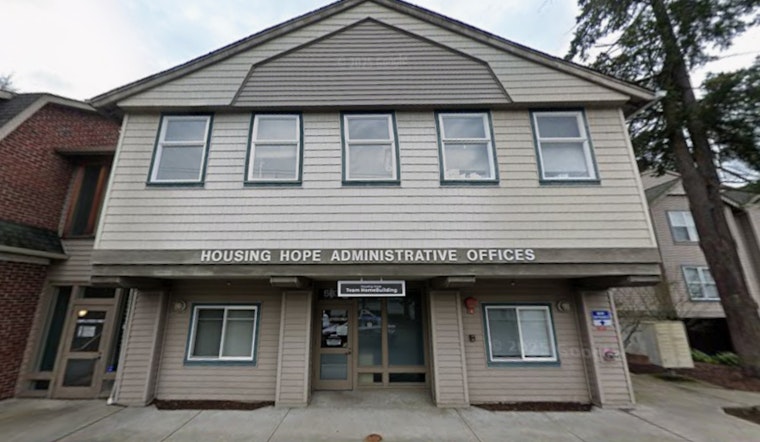
Housing Hope, Snohomish County’s largest nonprofit landlord, is implementing major cuts as rising costs and weaker rent collection strain its finances. The organization plans to close two social-enterprise businesses, reduce staff, and potentially sell properties to protect its core mission of providing affordable housing, affecting hundreds of workers, units, and the families who depend on them.
In a post on its website, Housing Hope said the café at Kindred Kitchen will close on Jan. 30, with Renew Home & Decor to follow on March 31. Catering and key training programs will stay open, but the nonprofit framed the closures as necessary to stabilize its housing portfolio. Local coverage from The Herald reports that about a dozen jobs tied to those enterprises will disappear as part of the retrenchment.
Budget Shock And Staffing Losses
Leadership says the nonprofit’s operating budget fell roughly 9% from 2025 to 2026, which is close to a 2 million dollar drop, at the same time its workforce has been shrinking. As reported by The Seattle Times, Housing Hope has gone from about 200 employees down to roughly 88 after multiple rounds of reductions, a sign of just how thin its financial cushion has become.
What The Cuts Mean For Training And Services
Kindred Kitchen and Renew were designed as social enterprises that plugged directly into HopeWorks, the nonprofit’s job-training pipeline. Even as the two storefronts shut down, Housing Hope has told supporters it plans to keep classroom training going and hold on to contract catering where possible, though there will be fewer on-the-job training slots. The Herald reports that the Renew space is expected to be repurposed as a community resource and then folded into a future redevelopment. Property listings from Housing Hope show the organization operating housing at about two dozen sites around the county.
According to Housing Hope, the nonprofit manages hundreds of income-restricted units in Snohomish County and runs supportive programs meant to help tenants stabilize and connect with work opportunities. That footprint is why leaders describe the current cuts as painful, but in their view unavoidable.
Tenants, Evictions And Insurance Costs
The financial squeeze is not just on the balance sheet. According to The Seattle Times, past-due rent spiked in a portion of Housing Hope’s properties, with about one-third of residents behind at one point in some buildings, and the nonprofit filed 19 eviction actions in 2025. The same reporting points to steep jumps in insurance premiums and construction costs that have chewed into margins, even as residents depend heavily on support staff. One tenant told the paper, “I owe the family support coaches my life.”
Legal And Policy Implications
Those eviction filings and rising operating expenses have pushed providers like Housing Hope deeper into policy debates. City and state officials are now wrestling with whether short-term bailouts or longer-term funding streams are needed to prevent more mission-driven landlords from selling off units. The situation raises civil and regulatory questions for both landlords and tenants as organizations try to preserve affordable housing while still meeting their obligations to keep buildings safe and financially viable.
State Aid And The Bigger Picture
Against that backdrop, lawmakers and the governor are weighing how much public money to pump into the housing system. Gov. Bob Ferguson has proposed a supplemental budget that includes hundreds of millions of dollars for housing programs, including money aimed at preserving and rehabilitating existing units, as part of a broader effort to stabilize struggling providers. Coverage of the governor’s proposal describes a package of roughly 244 million dollars in housing investments that would go toward building and preserving units and shoring up existing stock, according to KSPS.
Housing Hope’s leadership says it will focus on keeping people housed and maintaining core services as it navigates asset sales and program cuts. Local officials and housing advocates see the situation as a warning shot that without durable support for day-to-day operating costs and preservation efforts, more nonprofit landlords could soon find themselves making the same wrenching choices.





