

























































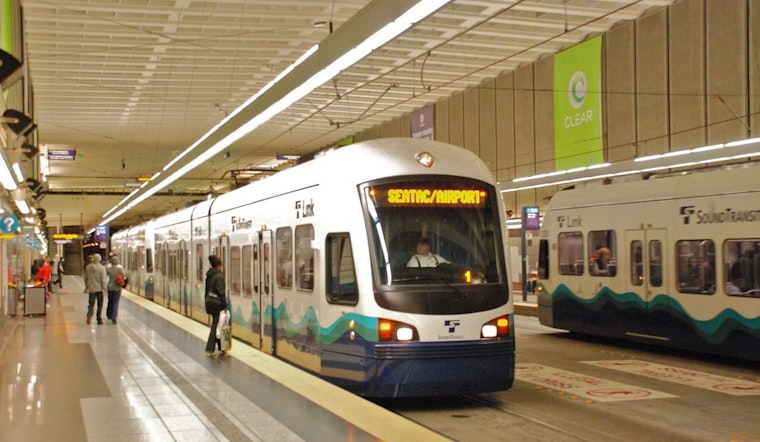
Sound Transit’s board on Thursday signed off on acquiring two Seattle properties tied to the West Seattle and Ballard Link light-rail extensions, a move aimed at locking in key pieces of land while the projects inch from planning toward final design and testing.
According to KING 5, the board approved measures that give staff authority to negotiate for the parcels and, if needed, secure fee or easement interests to protect future guideway, station or testing sites. The resolutions spell out relocation assistance and reimbursement for owners and tenants who end up in the project’s path.
What the board authorized
Sound Transit describes these early acquisitions as a limited-use tool that generally requires signoff from the Federal Transit Administration. The idea is to keep crucial sites from being redeveloped before designs are locked, while also reserving space for engineering work and load testing. Agency planning materials frame the strategy as a way to preserve design options even as the blueprints are still evolving.
Neighbors and displacement concerns
For people who live or run small businesses near the potential routes, any move to buy land by a transit agency tends to set off alarms about displacement and eminent domain. In mid-2025 the board approved three “special-case” acquisitions, including two residential parcels on SW Genesee and a Port parcel on SW Klickitat, and public commenters warned about eminent-domain pressure, according to reporting from the West Seattle Blog. “My neighbors have been under threat of eminent domain for three and a half years,” one resident told the board, the outlet reported.
Costs, timing and what comes next
All of this is unfolding as Sound Transit wrestles with a multi-billion-dollar affordability gap and tries to squeeze savings out of an “Enterprise Initiative” that could reshape how big projects get delivered, as covered by The Urbanist and others. Official Sound Transit materials still point to roughly 2032 for West Seattle service and 2039 for Ballard, with staff repeatedly stressing that those dates depend on funding and final design decisions.
Board approval for these property moves is procedural but hardly trivial. Staff must now complete appraisals, make formal offers and, where required, secure FTA concurrence before any title transfers or relocations actually happen. That process will set off a chain of notices, relocation counseling and compensation programs for affected owners, as laid out in agency documents and reporting from Westside Seattle.




