

























































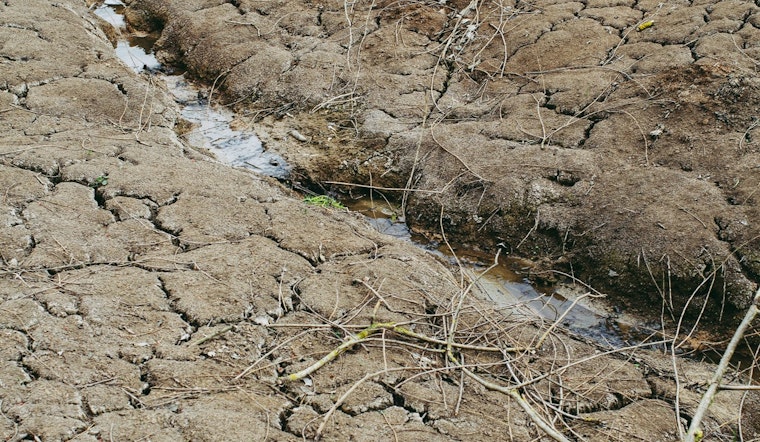
Southwestern Travis County's groundwater district has cranked its drought status up to D-3, or "extreme drought," after months of below-average rainfall, and the move comes with immediate cutbacks on well pumping, landscape irrigation, and pool refills across parts of the Austin area. The board's Thursday decision affects exempt well owners, limited-production permittees, and those with operating permits who rely on local aquifers for irrigation and domestic supply. District leaders say the tougher rules are meant to protect groundwater reserves that have struggled to recover.
In a press release from the Southwestern Travis County Groundwater Conservation District, officials laid out a mix of mandatory and voluntary measures. Exempt wells and limited-production general permits are asked to cut use by 30 percent on a voluntary basis, while users with operating permits must hit a 30 percent reduction in their quarterly permitted-use amount. The rules also prohibit any use under test-well general permits without a board-approved variance and sharply restrict drilling of new nonexempt wells and new operating-permit applications, except in narrowly defined public-health or safety situations. The district says the measures take effect immediately and urges permittees to review their User Drought Conservation Plans for the fine print on allocations.
What Residents And Well Owners Will Face
Outdoor watering is being squeezed hard. Routine landscape irrigation is limited to once every five to seven days, and only between 8 p.m. and midnight, using a hand-held hose. Automated sprinkler systems are not allowed under the current rules, as reported by Community Impact. Pool refills are restricted to topping off water levels only. Vehicle washing is expected to be kept to essential trips at commercial car washes, and spraying down buildings, driveways, or other outdoor surfaces is off-limits unless it is necessary for safety. Utilities that rely on groundwater must follow their own curtailment plans and may see changes to their monthly allocations under the district's drought rules.
Why The District Raised The Stage
The board pointed to U.S. Drought Monitor maps that show large portions of the district in D-3 territory. The monitor's map with data valid Feb. 17, 2026, indicates widespread extreme drought across the area. Directors also cited state data on rainfall deficits and aquifer stress from the Texas Water Development Board drought dashboard. Combined with the district's own groundwater monitoring, those indicators convinced the board that stronger limits are needed to preserve wells and springs heading into the dry season.
The district says it will keep tracking groundwater indicators and will revisit the drought stage as conditions change. Well owners and permittees are being urged to cut back now to avoid even tougher restrictions later. Residents can find the full release and drought-management resources on the district's website via SWTCGCD. Groundwater experts note that aquifers recover more slowly than surface water, so tightening outdoor use today can help reduce the risk of long-term damage, according to the Barton Springs-Edwards Aquifer Conservation District.





