

























































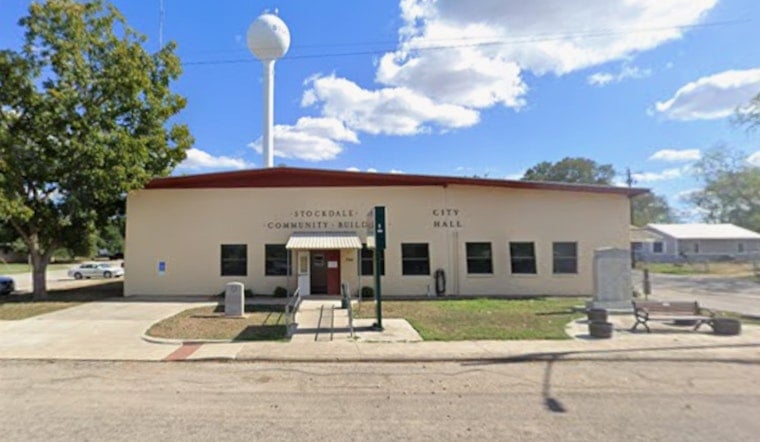
More than 140 people crowded into a Stockdale meeting this week to challenge a proposal for a 2,700-acre AI data center and on-site energy campus planned just north of town. Residents say trees have already been bulldozed at the future site and warn the project could strain local groundwater and upend the area’s quiet, cattle-country way of life. Organizers say they want clear answers from the developer and regulators before any permits are granted or construction begins, according to News4SanAntonio.
Packed Meeting, Sharp Words
At the meeting, neighbors listened to the developer’s pitch, then answered with their own stories of drought, dry wells and livestock losses. “Nobody wants this in our backyard,” LoriDawn Messuri, founder of Protect Wilson County Water, told reporters, as ranchers cautioned that the center’s noise, lights and water needs could be devastating for nearby operations. As reported by News4SanAntonio, one rancher said he had to sell half his herd last year because of drought.
Developer Says Low Water Use And On-Site Power
The company behind the proposal, Misae, describes the site on its materials as the Misae Energy Hub, a combined data campus with on-site solar and gas generation that it says will comply with local groundwater rules. According to Misae, current engineering estimates put average water use at up to about 15,000 gallons per day, with a closed-loop cooling design intended to reduce consumptive withdrawals. The company also notes that it already owns the land and plans to remain directly involved as permitting moves ahead.
Conflicting Figures And A Separate Export Permit
Many residents are not convinced by the company’s numbers. Some at the meeting warned the campus could end up needing far more water, and Messuri told reporters the figure could climb as high as two million gallons a day. That concern was highlighted in coverage by News4SanAntonio, even as groundwater regulators point out that specific permits must be filed before any large withdrawals can move forward.
The Evergreen Underground Water Conservation District has posted a public notice for a separate Springs Hill Special Utility District application to drill a new well and transport groundwater out of the district. The notice lists coordinates and a proposed pipeline route and, according to the district’s filing, has added to local alarm about how much water could ultimately leave the area.
Why Water Matters Here, And Everywhere
Estimates vary depending on cooling technology and facility size, but industry and environmental analysts say large data campuses can require vast amounts of water, sometimes reaching into the millions of gallons per day in the most water-intensive setups. The Environmental and Energy Study Institute has noted that some big facilities have been modeled at up to roughly 5 million gallons daily, a reminder of why groundwater quickly becomes a flashpoint in rural communities.
At the same time, national reporting finds that developers are increasingly pairing data campuses with on-site power plants. That trend shifts more of the environmental and permitting burden onto host counties and raises the stakes for local residents and regulators. The Washington Post recently examined that off-grid push and how it changes the footprint of these projects.
Next Steps: Hearings, Petitions And The Courthouse
Protect Wilson County Water has posted a petition, brochure and flyers, and is urging residents to show up at the county commissioners court meeting next Monday, Feb. 23, where they hope to push officials for a tougher review of the project. The group’s materials and meeting details are available on its site.
County commissioners told reporters they have not yet received formal plans for the campus, according to reporting by Spectrum News. Any groundwater withdrawals on the scale some residents fear would require public permit hearings and review by the groundwater district before they could begin.
For now, neighbors are focused on turning out to those public meetings and pressing regulators and elected officials to clarify which water-use numbers are accurate. The debate currently pits promises of jobs and tax revenue against fears about water security and the future of rural life, and the coming week of hearings and public comment will be the first real test of whether local officials, the groundwater district and the developer can reconcile those competing claims.





