

























































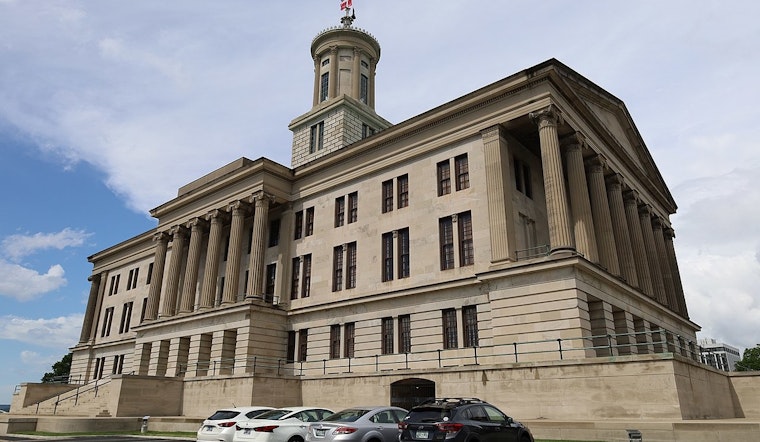
Tennessee lawmakers are racing to rewrite the rules on disaster aid as communities are still digging out from January’s crippling winter storm and last year’s tornadoes. The centerpiece is a one-time $100 million proposal that supporters say will make payouts clearer and faster, while critics warn the entire pot could vanish with a single major disaster.
On Tuesday, the Senate Finance panel signed off on Senate Bill 2232 in a 10-1 vote, with Memphis Democrat Sen. London Lamar opposing the measure, according to FOX13 Memphis. Backers, including Sen. Ken Yager, told colleagues the bill is designed to ensure local governments and residents get properly reimbursed after a declared emergency. Lamar countered that the structure could turn into “a bunch of unfunded mandates” that run dry and push higher costs onto local taxpayers.
What The Bill Would Change
Senate Bill 2232 would revise the statute that governs the Governor’s Response and Recovery Fund. It clarifies who can tap the fund for grants or loans, shifts some day-to-day administration to the Tennessee Emergency Management Agency, and spells out which projects qualify and on what timelines.
The proposal would also tie local cost shares to a county’s economic status and narrow eligible uses to categories such as debris removal, emergency protective measures, and public-utility repairs. For the full legal language, the measure is posted on Capitol.tn.gov. Supporters argue that clearer rules could move money more quickly and better match federal reimbursement standards.
Where The $100 Million Comes From
The $100 million figure at the center of the fight comes straight out of the governor’s budget and recovery plan. That proposal would beef up the Governor’s Response and Recovery Fund so the state can fill gaps when federal aid or private insurance does not fully cover losses.
State agency documents and earlier rounds of GRRF spending describe the fund as flexible help for individuals, businesses, and local governments after a disaster is formally declared. A state release from the Tennessee Department of Agriculture outlines how it has been deployed in past emergencies.
Why $100 Million Might Not Stretch Far
Recent damage tallies show how quickly the money could disappear. Nashville Electric Service has pegged damage to its system from the January ice storm at roughly $110 million to $140 million. In McNairy County, officials have estimated about $30 million in losses from the April 3, 2025, Selmer tornado.
Put side by side, those numbers exceed the entire proposed fund. That is why some lawmakers and local leaders warn that a single big storm, flood, or tornado could drain the account and leave city and county officials choosing between cutting services or hiking local taxes. Reporting from Axios Nashville and Tennessee Lookout details those local estimates.
Federal Backup Under Pressure
Complicating the math, reporters and analysts have pointed to recent reductions and contract non-renewals among FEMA’s on-call disaster workforce. Emergency managers say that kind of shrinkage could slow federal disaster response and long-term recovery.
That concern is feeding the push for a more robust state cushion that can step in when federal aid is delayed or does not fully materialize. Inside Climate News has summarized the staffing issues and broader capacity questions facing FEMA.
What Happens Next At The Capitol
SB2232 now moves to the full Senate for debate. If it becomes law, the statutory changes would take effect July 1, 2026, but lawmakers would still have to identify or appropriate the actual dollars that flow out of the fund.
A companion bill in the House has been sent to subcommittees, so the final outcome will hinge on negotiations over wording and funding levels in the weeks ahead. The measure’s sponsors, cross-filed versions, and calendar are all tracked on LegiScan.
Behind the floor speeches and spreadsheet fights is a bigger question: how Tennessee divides the load between state dollars, federal help, and local taxpayers as extreme weather grows more frequent and more expensive. Expect a heated debate over whether $100 million is a real safety net or only the opening chapter in a much larger, ongoing bill for resilience.





