

























































If it feels like big expenses are drifting out of reach, you have plenty of company. A new national poll finds many Americans saying that even once-routine milestones and comforts are now off the table for their households.
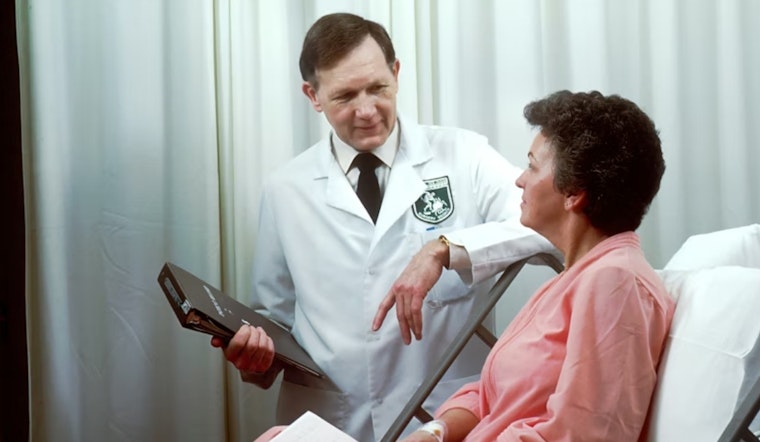
More than half of respondents said health care, a weeklong vacation and buying a new car are unaffordable. Nearly half reported carrying at least some debt, and a slim majority said they have just enough to hang on to their current standard of living, not move up.
What the Poll Found
The ABC News/Washington Post/Ipsos survey found that 56% of adults said health care was unaffordable for their household, 60% said a weeklong vacation was out of reach, and 74% said buying a new car was unaffordable, according to ABC News. About 46% of respondents said they have at least some debt, including credit card balances, auto or student loans or medical bills. A narrow majority, 53%, said they have "just enough to maintain" their current standard of living rather than getting ahead.
Who Feels the Squeeze
The financial pressure is not evenly spread. Lower-income Americans, parents, women and people under 50 were especially likely to say these big-ticket items were unaffordable, according to The Washington Post. Black and Hispanic respondents reported higher rates of debt than white or Asian respondents, and renters were notably pessimistic about ever buying a home, with a large share saying it will be out of reach. The broad pattern: the squeeze is widespread, but it hits some groups far harder than others.
Methodology and Timing
Ipsos reports that the survey was conducted Feb. 12–17 using its probability-based KnowledgePanel and included 2,589 U.S. adults, with an overall margin of error of about ±2 percentage points, according to the poll topline posted by Ipsos. The full questionnaire, wording and weighting details are available in the downloadable topline for anyone who wants to dig into the crosstabs.
Political Context and Reaction
California Attorney General Rob Bonta quickly seized on the findings, amplifying the poll by retweeting ABC's coverage on X and highlighting affordability concerns in his Oakland base, as shown in his post. The survey itself was carried out before the president's State of the Union address this week, so the numbers capture public sentiment going into that speech, according to ABC News.
NEW: Over half of Americans say health care, a weeklong vacation and a new car are unaffordable; nearly half have at least some debt, @ABC News/WaPo/Ipsos poll finds. https://t.co/T1lBLS5bwv
— ABC News (@ABC) February 27, 2026
Here at Home
For Bay Area residents, none of this exactly sounds shocking. Recent Hoodline reporting found San Jose ranked among the priciest U.S. metros, underscoring a regional affordability crunch in housing and everyday costs documented in the Bay Area housing affordability crisis. Between steep housing payments and rising health-care bills, many local households are juggling the same trade-offs the national poll captured, just with a Bay Area price tag attached.
What It Means for Voters
With midterm politics on the horizon, perceptions about affordability could shape both campaign messages and who actually shows up to vote. The poll found that people who say they are "getting ahead" lean differently at the ballot box than those who say they are merely maintaining, according to The Washington Post. For local organizers and candidates, the challenge now is turning broad anxiety over health care costs and everyday expenses into concrete policy ideas that feel real to Bay Area voters already living on the financial edge.




