

























































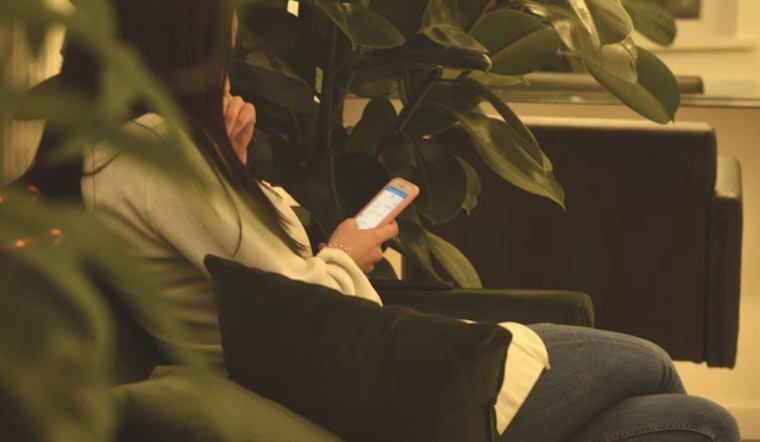
Generation Z is coming of age with smartphones practically glued to their hands, and now a growing chorus of doctors and learning scientists say the nonstop screens may be taking a real toll on young brains. After experts told a U.S. Senate panel that Gen Z is underperforming previous generations on key cognitive tests, Tampa Bay neurologists are backing up the concern and urging families to rethink how, when, and why kids go online.
What experts told the Senate
At a Jan. 15 hearing titled "Plugged Out: Examining the Impact of Technology on America’s Youth," witnesses told the Senate Commerce Committee that standardized measures of cognitive skills have stalled or fallen for Gen Z. The panel featured researchers and clinicians who flagged declines in attention, memory, executive function, and IQ, according to the Senate Commerce Committee.
Neuroscientist Jared Cooney Horvath told lawmakers, "Our kids are less cognitively capable than we were at their age," according to the Senate Commerce Committee. He and other witnesses said the shift shows up across decades of standardized testing and appears to worsen after digital devices and education technology spread widely into classrooms.
How researchers trace the shift to screens
Witnesses and subsequent reporting pointed to the early 2010s, when smartphones and educational apps surged, as a turning point. Critics at the hearing argued that even "educational" screen time can nudge students toward fast skimming and quick recall instead of slow, deep learning.
Not everyone in K-12 agrees that classroom tech deserves equal blame with TikTok and gaming. As Education Week reported, some school groups pushed back ahead of the hearing, insisting that instructional tools should be judged separately from recreational screen use.
Tampa Bay doctors echo the warnings
On the ground in Tampa Bay, neurologists told FOX 13 that what they see in clinic lines up with the Capitol Hill testimony. The issue, they stressed, is not technology itself but endless, unstructured use that trains brains to chase constant stimulation.
Clearwater neurologist Dr. Dinesh Sivakolundu told the station that heavy screen use can disrupt attention and working memory. Dr. Patrick Porter added that many digital habits reward rapid-fire recall instead of the kind of deep processing that solidifies learning. In an interview with FOX 13, both urged families to double down on basics like movement, sleep, emotional connection, and regular breaks from devices if they want kids to stay sharp.
What lawmakers are weighing
Senators from both parties left the hearing sounding uneasy and floated a range of options, from reining in student access to social platforms to tightening privacy and AI rules for young users. Committee Chair Ted Cruz has promoted proposals that would curb kids' access to social media and link some federal education funding to device policies in schools, while Democrats emphasized privacy protections and regulatory guardrails, according to the Houston Chronicle.
What parents can do now
While Washington argues over regulations, experts say families do not have to wait for new laws to take action. Doctors interviewed by FOX 13 stressed that the goal is not to ban screens but to make their use deliberate.
They recommend setting device-free meals and bedrooms, building in short pauses during long stretches of online activity, and protecting time for sleep and physical play. Those simple moves, they say, can help restore attention and give kids' brains the predictable rhythms they need for deeper learning. Local physicians and national researchers alike keep coming back to the same message: the priority is balance, not a full-on digital blackout.




