

























































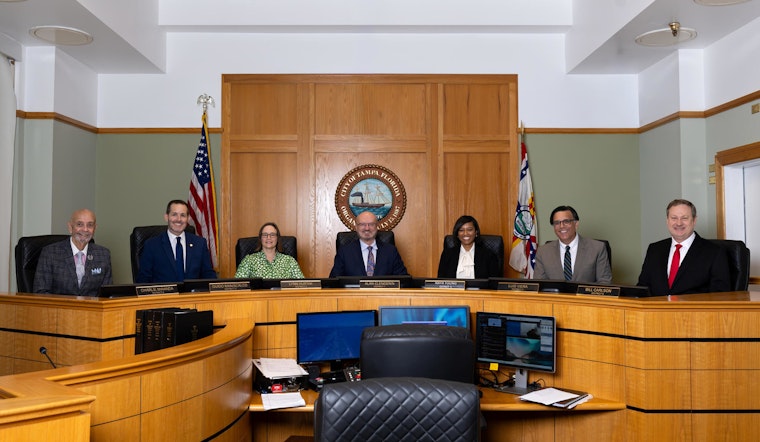
Tampa City leaders have chopped back major portions of the draft Future Land Use section after a surge of public pushback and pointed City Council direction, tightening where denser development and bonuses could land and adding extra shields for coastal and single-family neighborhoods. The rewrite shifts the growth spotlight to a shorter list of transit corridors and spells out more clearly how density bonuses would work, with staff saying the goal is to satisfy new state rules while still keeping neighborhood character intact.
What changed in the draft
The latest draft shrinks the list of Transit Ready Corridors to a tighter group that includes Florida, Nebraska, Busch, Hillsborough, Fowler east of I-275, Kennedy, Dale Mabry north of Kennedy and 40th Street south of the Hillsborough River. Several other corridors are removed, and Policy 7.1.4 is deleted. The proposal also calls for no plan amendments that would increase residential density or grant density bonuses inside the Coastal High Hazard Area, and it directs staff to take another look at specific LU policies and the boundary of the Fowler Regional Activity Center. These moves, along with the color-coded January draft, track with council motions and more than 1,500 public comments documented by Plan Hillsborough.
How neighborhoods and developers reacted
Neighborhood organizations largely greeted the edits as proof that council heard residents nervous about sudden upzoning in long-established areas. On the other side, developers and housing advocates warned that dialing back where bonuses can be used could make it tougher to deliver badly needed units if the rules get too tight. As WTSP reported, some stakeholders applauded a sliding-scale bonus concept that trades larger density increases for deeper affordable housing commitments, while others pushed for stronger protections. The debate underscores the tightrope Tampa officials are walking between making room for growth and keeping neighborhood character from getting steamrolled.
Public meetings and the process
Planning staff hosted an in-person information session on Feb. 3 and followed it with a virtual briefing on Feb. 4, then rolled out an updated mapping tool and a color-coded draft in mid-January so residents could see exactly what shifted. Meeting materials and recordings are posted online, and additional district briefings are on the calendar to dig into how specific neighborhoods could be affected. For dates, links and a way to submit comments, check the City of Tampa planning pages.
Why state law matters
Staff have also been busy rewriting language to comply with Senate Bill 180, a state law that blocks local governments from proposing amendments considered “more restrictive or burdensome,” a standard that has already tangled up plan updates in other Florida communities. The fuzzy wording has sparked lawsuits and fresh worries about local home-rule powers, so Tampa planners are treading carefully with any language that might be judged out of bounds. WUSF has detailed the statewide legal fights that have trailed SB 180.
What comes next
The City Council is set to revisit whether to transmit the Future Land Use section at a special meeting on Feb. 17, 2026. After that vote, staff would fine-tune the draft and move into the code-writing and implementation phase that follows adoption of the plan. If council sends the draft forward, it will go through additional public hearings and adoption steps over the coming months, followed by changes to the Land Development Code to carry out the revamped bonus system and neighborhood protections. For a deeper look at the motions that drove these edits, see Plan Hillsborough.



