

























































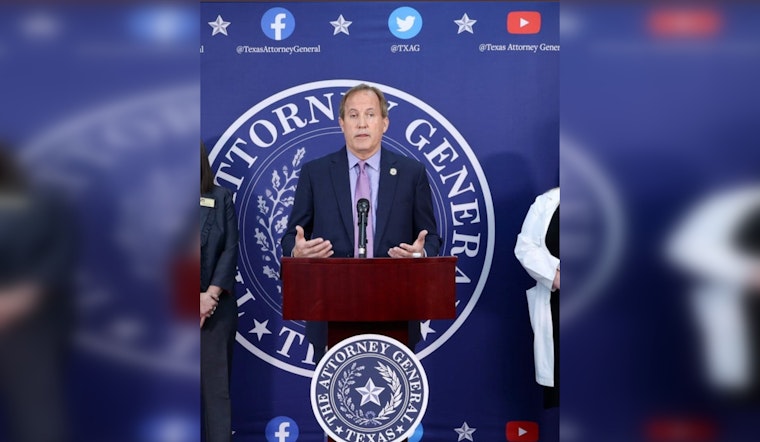
Texas Attorney General Ken Paxton is bearing down on some of the biggest firetruck manufacturers in the country after cities and counties across the state complained of steep price spikes and long delivery delays that they say are crimping emergency response. The statewide inquiry, announced this week, follows a wave of reports from fire departments about eye-popping final costs, floating surcharges that appear late in the process, and multi-year backlogs. State officials warn that, as budgets get squeezed, departments may be forced to keep older and less reliable rigs on the front line longer than they would like.
Paxton's Office Opens Probe
In a press release from the Texas Attorney General's Office, Paxton said his team has launched an investigation into potential anticompetitive conduct in the firetruck industry and has issued civil investigative demands to obtain records. The statement specifically identifies REV Group, Oshkosh Corp., and Rosenbauer Group as companies from which documents have been requested. The release alleges that certain practices have “caused dramatic price increases” for essential firefighting equipment, and Paxton warned that, if the accusations are borne out, the conduct “threaten[s] public safety.”
Investigative Demands And Targets
According to Bloomberg Law, the civil investigative demands seek a wide range of internal records. That includes documents related to pricing decisions, production schedules, and any plant closures, contracts with dealers, and clauses that let companies change prices after local governments have already placed orders. Investigators in the Antitrust Division plan to use those materials to determine whether Texas antitrust or consumer protection statutes have been violated and whether there is a basis for civil enforcement.
Federal Scrutiny And Lawsuits Mount
Paxton's move lands at a time when the entire industry is already under pressure. The International Association of Fire Fighters has urged the Department of Justice and the Federal Trade Commission to open their own inquiry, citing reports that ladder trucks can top $2 million apiece and that delivery queues can run for years, Reuters reported. On a parallel track, municipalities have begun suing manufacturers and the private equity firms behind them, and a recent lawsuit in Los Angeles zeroes in on American Industrial Partners and related companies, signaling growing legal pressure on the market, according to the Wall Street Journal.
How Texas Departments Are Affected
On the ground in Texas, fire chiefs say the price and wait time crunch is already forcing hard choices. Some departments are delaying the retirement of aging trucks, spreading orders across multiple vendors, and rewriting budget plans just to keep coverage at current levels. Austin and other cities are tweaking their procurement timelines and diversifying their supplier lists in an effort to navigate the backlogs, KXAN reported. Smaller volunteer outfits warn that the latest price tags make it nearly impossible to replace worn-out rigs without special grants or voter-approved bond measures.
Legal Path And What To Watch
Civil Investigative Demands are a standard antitrust tool for state enforcers. They can end in negotiated settlements, full-blown civil lawsuits, or referrals to federal agencies if investigators uncover signs of coordinated behavior. Paxton's office has not yet indicated whether it will seek injunctions, financial penalties, or other remedies. The immediate next step is to review the requested records, then potentially follow up with interviews of company executives and local government officials.
How the manufacturers respond, whether by turning over documents without a fight, pushing for negotiations, or challenging the demands in court, will determine whether this turns into a long-running legal brawl or a quicker route to relief for departments that say they are already stretched thin.
For Texas cities and counties, the near-term questions are blunt and practical: will this investigation help bring down prices or speed up deliveries, or will it simply add years of litigation to an already tangled supply chain story? Taxpayers and local officials will be watching closely to see whether the state's probe triggers matching interest from federal regulators or coordinated action from other states.





