

























































California and a small crew of other states are finally trying to fix a problem that has quietly tripped up students for years: the split between what high schools teach in math and what colleges expect. A new report says those gaps are slowly starting to close, and that the changes could cut down on the expensive, confidence‑killing remedial classes waiting for many freshmen.
The study, titled Aligned By Design, flags California, Georgia, Tennessee, Utah and Oregon as states showing real momentum on better aligning K–12 and college math pathways, according to Just Equations. The findings did not stay in policy circles for long, after Times of San Diego republished coverage from The 74 that brought the issue home for local readers.
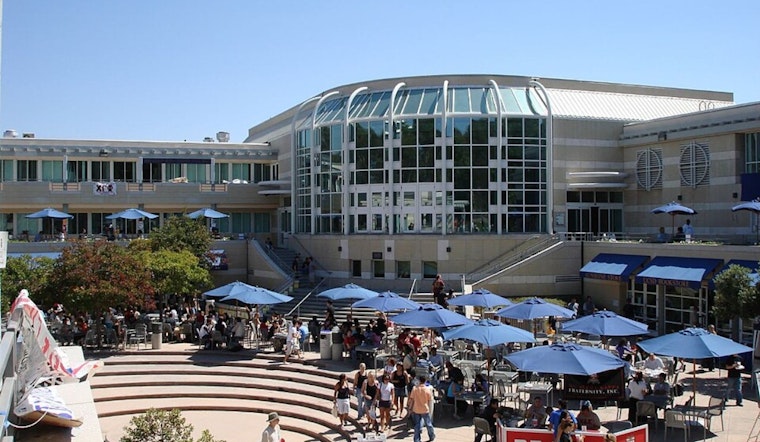
At the center of the California conversation is UC San Diego. The campus’s Senate–Administration Workgroup on Admissions recently found a sharp jump in students landing in lower‑division courses Math 2 and Math 3B, with more than 900 combined placements last fall. The same internal review reported that many new arrivals were missing key middle‑ and even elementary‑school math foundations, according to UC San Diego. That diagnosis has reignited debate over whether admissions signals, course requirements and K–12 instruction are really sending a clear, consistent message about what “college ready” math looks like.
What the report recommends
Just Equations outlines five big cross‑system strategies to shore up the bridge between high school and college math.
- Have high‑school and college instructors co‑design courses.
- Make university expectations for math preparation transparent.
- Offer senior‑year readiness or transition courses.
- Expand dual‑enrollment options so students can earn college math credit early.
- Recognize newer high‑school math pathways for college credit, rather than insisting on a single track.
The goal, the report argues, is to dial back the “gatekeeper” role of one‑size‑fits‑all math requirements and give students clearer, credit‑bearing on‑ramps into college work instead of sending them straight into no‑credit remediation.
States that moved the needle
One of the flashiest examples in the report comes from Utah, where concurrent enrollment has taken off. The share of Utah seniors completing four years of math climbed from 28% in 2012 to 87% in 2020, according to the Utah System of Higher Education. That is a massive shift in less than a decade.
The report also points to Georgia’s revamped math pathways and Tennessee’s long‑standing four‑year high‑school math requirement, alongside changes in Virginia’s community‑college placement policies that sharply reduced remedial placements, as detailed by The 74. Put together, the examples offer a menu of real‑world policy moves rather than theoretical fixes.
Why this matters in California
California, for its part, has a history of sending mixed messages about how many years of math students actually need for college and which specific courses count. In an attempt to clean that up, the Intersegmental Committee of the Academic Senates released an updated Mathematics Competencies statement in 2025 to give districts, colleges and families a clearer set of expectations, according to ICAS.
“Too often we spend a lot of energy discussing the challenges and constraints related to education or redesigning math,” Just Equations’ Shakiyya Bland told The 74, arguing that the new report tries to move the conversation toward practical next steps instead of endless diagnosis.
California policymakers and campus leaders now face a crowded to‑do list: whether to scale up dual enrollment, invest more heavily in senior‑year readiness courses, or double down on rebuilding math skills in the elementary and middle grades that UC San Diego says are already showing up as gaps. The underlying message of the report is not particularly flashy but is hard to ignore: only real alignment across systems, rather than a single silver‑bullet reform, is likely to maintain access to college while cutting back on the remedial detours that knock students off track.



