

























































Union members and rank-and-file labor leaders are jumping into Texas primaries this cycle, with at least 16 campaigns on the ballot from statewide offices down to the Legislature. They are pitching themselves as working-class alternatives to career politicians. The surge follows a high-profile union victory in Fort Worth and comes as union membership in Texas has climbed to its highest level in 25 years. Candidates are centering their pitches on wages, the cost of living and a sense that establishment Democrats have brushed past kitchen-table issues. The March 3 primary will be the first major test of whether labor’s organizing muscle can translate into nominations.
Union-Backed Slate And Candidates
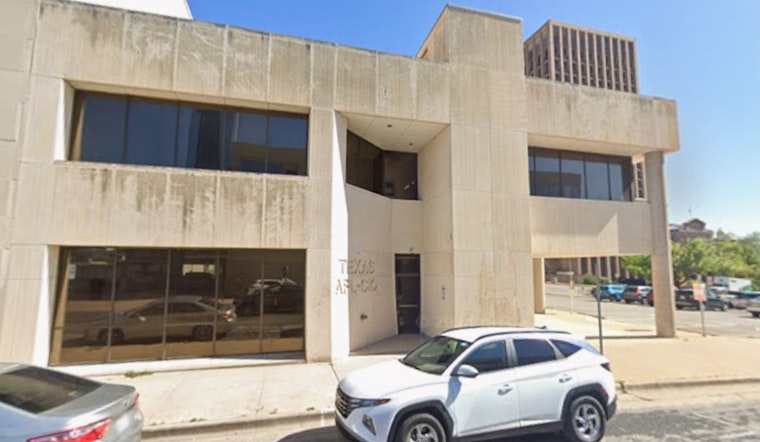
The Texas AFL-CIO says its Committee on Political Education has endorsed 16 union members this cycle, ranging from a steelworker running for lieutenant governor to local House hopefuls. Citing Texas AFL-CIO, that list includes Marcos Vélez for lieutenant governor and Jose Loya for land commissioner, among others. The slate runs from statewide offices to legislative seats, and the federation describes electing union members as a deliberate strategy to put organizers inside government. Labor officials say those endorsements are meant to lean on unions’ field operations and volunteer networks.
The U.S. Bureau of Labor Statistics' 2025 union-members release shows Texas with about 673,000 union members, the fourth-most in the country, a level the Texas AFL-CIO calls a 25-year high. According to data from the U.S. Bureau of Labor Statistics, that membership figure and recent growth give labor more clout in tight races. BLS notes that 2025 state estimates should be read carefully because of missing October data, but the broad trend still points to steady gains in Southern unionization. That uptick has made unions more confident about running their own candidates rather than relying only on traditional party pipelines.
Money, GOTV and Outside PACs
The movement is not just about clipboards and door-knocking. Outside groups and PACs are also moving money to boost labor candidates. As reported by The Texas Tribune’s The Blast, the donor trail behind Marcos Vélez includes a 60,000 dollar transfer from Texas Majority PAC to Houstonians for Working Families, which then passed roughly 55,000 dollars to Vélez’s campaign. That kind of coordinated giving, paired with unions’ field work, has helped lesser-known union candidates keep pace with better-funded insiders. A growing distance from party power brokers has pushed unions to recruit and bankroll their own hopefuls instead of waiting for the usual nod from party insiders.
Why Labor Is Running
Union activists say the wave of candidates reflects frustration with Democrats they see as out of touch on wages and cost-of-living pressures. As Benjamin Wermund reported in the Houston Chronicle, Marcos Vélez, an assistant director with the United Steelworkers, says working people feel ignored and that "we're fighting for our lives." The Chronicle also highlighted a split in labor’s loyalties. The Teamsters recently backed Gov. Greg Abbott, with the union’s southern vice president telling a rally they "do not care if you have a D, an R or an I next to your name." Those cross-endorsements underscore that unions are no longer a single bloc when it comes to partisan alignment.
Next: March 3 primary
The March 3 primary will offer an early read on whether union members running as outsiders can break through. The Texas AFL-CIO credits its endorsements and organizing with helping flip Fort Worth’s Senate seat and says it is mobilizing volunteers and phone banks ahead of early voting. According to Texas AFL-CIO, Taylor Rehmet’s win is being held up as proof that a union-rooted message can work in competitive districts. Campaign watchers say the mix of union field operations and outside PAC money will decide which labor candidates make it out of the primaries.
If union-backed candidates secure nominations, they could reshape how Democrats talk about working-class issues in Texas, pressuring the party to keep pocketbook concerns at the center of its strategy. For now, organizers say the gamble is simple: turn shop-floor organizing into votes.




