

























































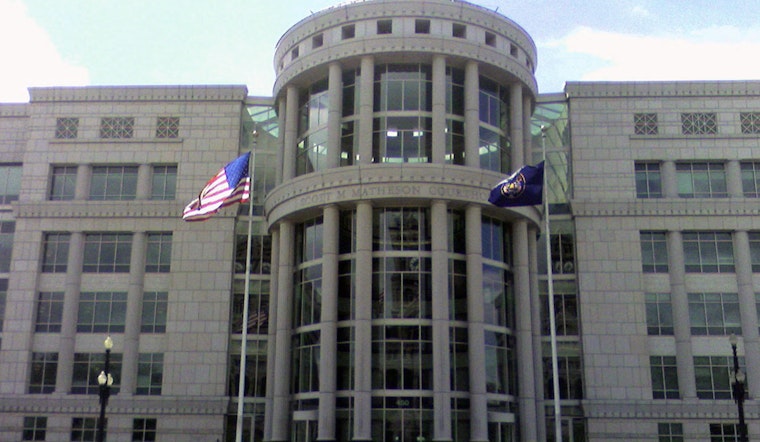
Utah’s Supreme Court on Friday shut down state lawmakers’ attempt to freeze a lower court ruling that scrapped the GOP-drawn congressional map, clearing the path for a court-approved replacement to move ahead for the 2026 filing cycle. A three-justice panel said it did not have jurisdiction to hear the appeal because no claim in the underlying lawsuit has been certified as final. The decision trims the Legislature’s short-term options and keeps a Salt Lake County-centered district, viewed as more competitive, on the table for next year.
What the high court said
The justices granted the plaintiffs’ motion for summary disposition and dismissed the Legislature’s appeal, while also denying the request for a stay and a Utah County clerk’s bid to join the case as moot, according to FOX13. In a brief order, the court emphasized that “no claim has been certified as final,” which, it said, left the high court without jurisdiction to take up the challenge at this stage.
How we got here
The ruling follows a district judge’s late-2025 decision that held Proposition 4, the 2018 voter initiative establishing anti-gerrymandering standards, remains valid law and found the Legislature’s 2021 congressional map unlawful, triggering a remedial process to draw new lines. That judge ultimately chose a remedial map submitted by the plaintiffs after concluding that lawmakers’ proposed replacement still did not comply with Proposition 4, as detailed in an earlier round of the legal fight.
Political reactions
Advocates for the plaintiffs cast the order as a victory for voters, while critics blasted it as judicial overreach and hinted at more legal salvos to come. “The legislature has one strategy: delay,” Katharine Biele of the League of Women Voters of Utah told FOX13, and Republican leaders have signaled they will keep pushing the question of who holds constitutional power over drawing congressional districts, as local coverage has noted. The remedial map concentrates Salt Lake County in a single district that analysts say will be far more competitive than the 2021 configuration, and Deseret News has reported that multiple Democratic figures are already eyeing the reworked seat.
Legal implications
The plaintiffs told the Supreme Court that the appeal was premature because unresolved claims still pending in the district court prevent entry of a final judgment under Rule 54(b), and the justices agreed with that procedural argument in their order. At the core of the case is a fight over whether lawmakers legally repealed or altered a voter-approved initiative that reshaped Utah’s redistricting rules. Background on the dispute and the court’s earlier opinions is collected in the official case materials, including the record and analysis at Justia, as well as the plaintiffs’ position statement from the League of Women Voters.
What’s next
With the state Supreme Court declining to interrupt the process, the district court’s remedial schedule remains in force and election officials still face tight timelines for ballot preparation and candidate filing. Lawmakers have indicated they may ask the justices to review the case again after the remedial proceedings wrap up or consider taking some issues into federal court, but for now the court-ordered map will move toward implementation unless a new legal twist intervenes. Expect additional filings and public comment as the parties navigate the remaining procedural steps ahead of the 2026 election cycle.





