

























































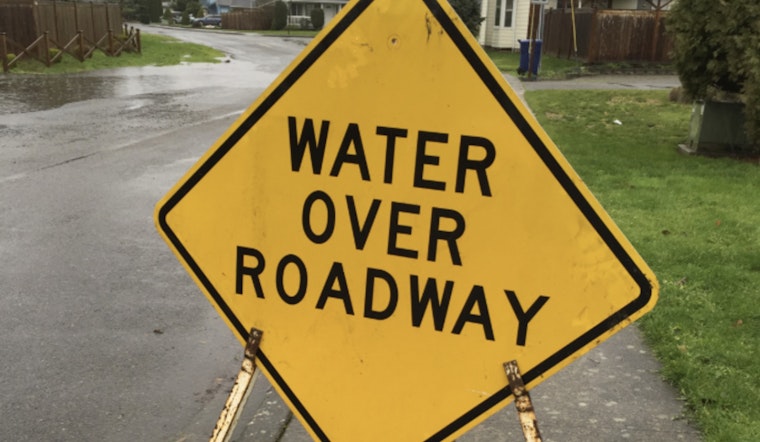
Southbound Interstate 5 turned into a slow crawl near downtown Vancouver on Monday after standing water covered the lanes at milepost 1, just before the Mill Plain Boulevard offramp. The flooding jammed the late-morning commute and triggered a travel advisory as drivers navigated ponding on the ramp and slogged through backed-up traffic. The warning went out at 11:28 a.m. and was listed as in effect “until further notice.”
According to WSDOT Southwest, the issue was logged as “water over roadway” on I-5 southbound at milepost 1 near the Mill Plain offramp, with highway crews keeping an eye on conditions. The Southwest account, which covers Clark County and neighboring areas, noted that its team monitors traffic from 8 a.m. to 4 p.m. Monday through Friday and urged drivers to use caution. Officials did not give an estimated time for when the advisory would be lifted.
Why This Stretch Floods
The Mill Plain offramp sits in a low-lying pocket that can quickly collect runoff when storm drains get overwhelmed, leaving ramps and sunken freeway sections prone to standing water. Regional reports have highlighted how WSDOT has posted similar “water over roadway” warnings and temporarily shut down ramps during heavy rain events in the past. KIRO 7 covered comparable closures in earlier storms, underscoring how fast these ramp zones can turn hazardous once the water starts to pool.
What Drivers Should Do
Drivers are urged not to push their luck by trying to motor through standing water, since even relatively shallow flooding can stall a vehicle or cause a driver to lose control. Obey any posted closures, barricades, or detour signs. Local public-works guidance notes that a “Water Over Roadway” sign means travel is not recommended and that motorists should follow the marked alternate routes.
For live conditions, check the WSDOT travel map or local traffic feeds, and consider alternate paths such as I-205 or nearby surface streets when that is practical. Expect lingering delays while crews evaluate the drainage and clear out the pooled water, and give maintenance and emergency personnel plenty of room to operate. We will continue to watch for official updates and share new information as agencies release it.



