

























































A Jacksonville woman says her life has been disrupted after strangers online mistakenly identified her as the driver in a viral Fort Myers parking-lot video, in which a woman used racial slurs and made threats. Lisa Hanson says the misidentification led to a flood of hostile messages and threats affecting her work, church, and feed store.
Hanson first realized there was an issue when her daughter, Lexie Lewis, noticed a large number of comments appearing on Hanson’s Facebook page. Around the same time, one of Hanson’s employees reported unfamiliar customers coming into the business and asking staff for names. Hanson and Lewis shared details of the situation with local reporters, according to News4JAX.
Video Captured In Fort Myers Parking Lot
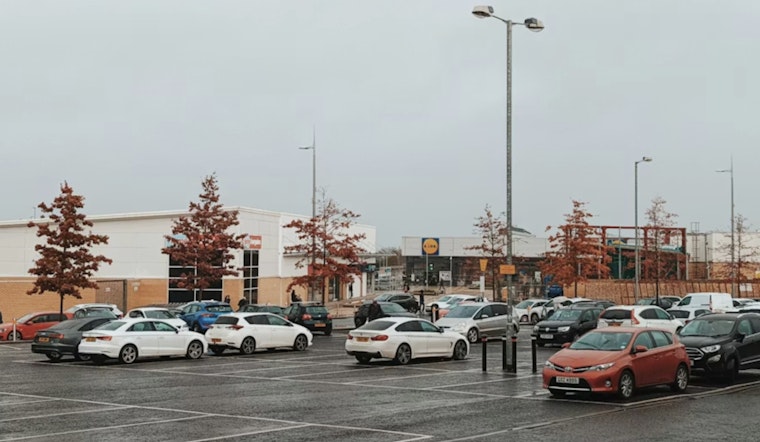
The video at the center of the controversy was posted by Fort Myers resident Maria Mejia. It shows a driver in a T.J. Maxx parking lot using racial slurs and making threats, including references to ICE and shootings, while Mejia records. Gulf Coast News Now reported that Mejia captured the incident on her phone and that Lee County deputies said they are investigating.
Poster Apologizes After Misidentification
Mejia later told reporters that she was not aware Hanson had been misidentified as the woman in the video and expressed regret for the confusion. She said her intent was to highlight hateful behavior, not to direct anger at someone uninvolved, and encouraged people to respond with understanding rather than retaliation.
Investigation And Legal Risks
Local news reports indicate that Lee County deputies have opened an inquiry into the Fort Myers incident, and residents are monitoring whether the online activity could lead to criminal charges. Gulf Coast News Now reported on the sheriff’s office response. Under Florida law, certain written or electronic threats are considered felonies. Section 836.10 of the Florida Statutes states that sending a communication that threatens to kill or cause serious injury to someone can be charged as a second-degree felony.
Why It Matters Locally
Hanson’s situation illustrates how quickly a viral video and a case of mistaken identity can affect the daily lives of individuals and small businesses. Civil-rights groups have reported an increase in hate-related incidents in Florida, and the Anti-Defamation League has tracked broader trends involving extremism and antisemitism in the state.
Hanson says her current priority is for the harassment to end while her family and employees manage the attention brought on by the viral video.





