

























































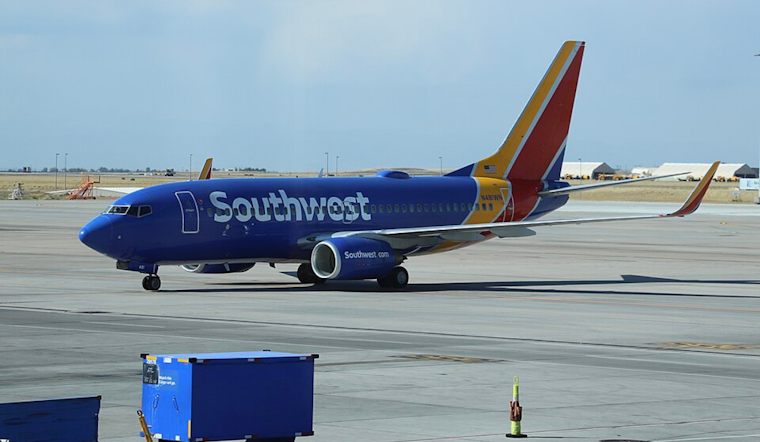
Elliott Investment Management has trimmed its stake in Southwest Airlines, selling off a portion of its holdings and reporting beneficial ownership of about 9% in a new filing with the Securities and Exchange Commission. The firm called the move for portfolio management purposes and is still holding derivative positions that give it added economic exposure. The disclosure is the latest chapter in a high-profile activist campaign that has pushed the Dallas-based carrier to overhaul fares, seating, and other long-standing policies.
In Amendment No. 12 to a Schedule 13D filed on Monday, Elliott reported that it beneficially owns 46,600,000 Southwest shares, or roughly 9% of the company's outstanding common stock, with an aggregate purchase cost of about $1.26 billion for the directly held position. The filing also details cash-settled swaps referencing roughly 1,938,000 shares plus 70,000 option contracts exercisable into swaps, bringing Elliott's combined economic exposure to about 10.7%, according to the SEC.
Elliott's engagement with Southwest began in mid-2024, when the firm started building its stake and publicly pushing for board and leadership changes. That pressure campaign led to negotiated settlements and an ongoing framework for engagement that left Elliott with board influence while Southwest works to reshape its product and pricing, as reported by Reuters.
Where this leaves Southwest
The airline has already rolled out several of the changes tied to that campaign, including new fare bundles, paid seat categories, and an assigned seating model that began launching this year. Southwest has said the moves are intended to broaden its appeal and lift revenue, and the carrier's investor-relations release outlines the timing for assigned and premium seating, along with earlier baggage-policy changes. Southwest Airlines confirmed the rollout in its announcement.
What the filings mean for shareholders
Even after dialing back its directly held shares, Elliott remains a material holder with meaningful economic exposure through derivatives and options. Market summaries and filing analyses indicate that Elliott reduced some cash equity exposure while keeping a sizable overall position, and the firm told regulators it plans to remain a significant shareholder for now, according to a StockTITAN summary.
There are also formal limits built into the parties' cooperation agreement. An amendment described by Southwest outlines a cap on beneficial ownership at 12.49% and allows Elliott and related parties to expand their aggregate economic exposure up to 19.9% while the agreement is in effect. Those terms are set out in the company's Form 8-K filing with the SEC, which describes the amendment and the ownership limits that accompanied the settlement.
For travelers and investors, the near-term watchlist is simple enough: future Schedule 13D updates, any further tweaks to Elliott's mix of common stock and derivatives, and whether Southwest's fare and seating changes actually show up in revenue growth and loyalty metrics. For now, the filings make it clear that Elliott has stepped back from some direct equity exposure while keeping plenty of influence as Southwest executes its new playbook.



