

























































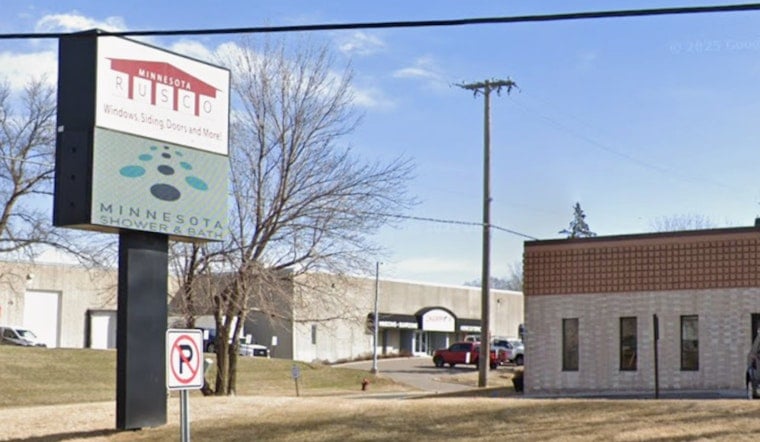
For decades, Minnesota Rusco was the Twin Cities remodeler you could not escape on local radio, its jingle lodged in commuters’ heads all over the metro. Now the tune has stopped cold. After its private equity owner collapsed, the company abruptly shut down, leaving homeowners with torn-up houses, big deposits on the line, and no one picking up the phone. Crews stopped showing up, sales lines went quiet, and employees say they were blindsided. The fallout has sparked state action, lawsuits, and a raw local debate about what happens when Wall Street money moves into neighborhood home-services businesses.
How the shutdown unfolded
According to a consumer alert from the Minnesota Attorney General's Office, Minnesota Rusco stopped operating on Oct. 29, 2025. Its parent company, HomeRenew Buyer Inc., doing business as Renovo Home Partners, then filed for Chapter 7 liquidation in Delaware on Nov. 3, 2025. The alert also warns that homeowners who paid deposits are likely to be treated as unsecured creditors in the bankruptcy, which puts them near the back of the line when money is divvied up.
Court filings reviewed by local reporters list more than $100 million in debt and only a fraction of that in assets, a gap that leaves many customers with little reason for optimism about getting their money back, according to the Star Tribune.
A cautionary roll-up
Industry analysts say Renovo’s rapid rise and fall reads like a warning label for aggressive buy-and-build strategies in the remodeling world. Trade coverage and interviews point to heavy leverage, quick-fire acquisitions and centralized financing as weak spots in these roll-ups, especially when the market cools. Pro Remodeler and Kitchen & Bath Design News both describe how large debt loads and messy integration left Renovo and its collection of brands exposed once conditions turned.
Local contractors step in
In the vacuum left by Minnesota Rusco’s shutdown, local contractors have been trying to pick up the pieces and, in some cases, their neighbors’ half-finished remodels. TWS Remodeling, for example, publicly offered steep discounts and extra intake help for Rusco customers, telling reporters it would take on projects and in some cases honor deposits in a bid to restore trust in the local market. FOX 9 highlighted the TWS offer alongside stories from homeowners who say they lost tens of thousands of dollars when installers simply stopped showing up.
A recent analysis quoted local contractors who say buyout offers from private equity firms arrive regularly, and that those deals can reshape how a company treats customers and staff. Experts at the University of Minnesota interviewed in that piece frame Minnesota Rusco’s story as part of a broader pattern in which consolidators change the culture and operations of once-local firms, according to Twin Cities Business.
Legal and consumer remedies
State officials and consumer attorneys are urging affected homeowners to hang on to every scrap of documentation: contracts, receipts, emails, texts and change orders. The Minnesota Attorney General's Office notice walks people through their options, including contacting their card issuer about potential chargebacks if they paid by credit card.
The alert also points homeowners to the state Department of Labor and Industry’s Contractor Recovery Fund, which can pay up to $550,000 per licensed contractor but caps recovery at $100,000 per consumer and only kicks in after a court judgment. Reporting from the Star Tribune explains that the federal bankruptcy process complicates things further, since an automatic stay and the priority given to secured lenders often leave unsecured claimants such as prepaid customers with little to recover.
What to watch next
Months after Minnesota Rusco turned out the lights in October, local business reporters and trade outlets are still sorting through who is owed what and how many projects are frozen in place. A detailed Twin Cities Business feature casts the company as a cautionary tale, quoting area contractors and University of Minnesota experts who warn that large consolidators can hollow out local operations by shifting support functions away from the brands customers actually know.
Those experts also argue that communities should be pushing harder for stronger consumer protections when local outfits get swept into national platforms. For anyone trying to follow how the Renovo bankruptcy plays out and how local claims are handled, coverage from Twin Cities Business and trade reporting in Pro Remodeler will be key references as more bankruptcy schedules and court filings land.




