

























































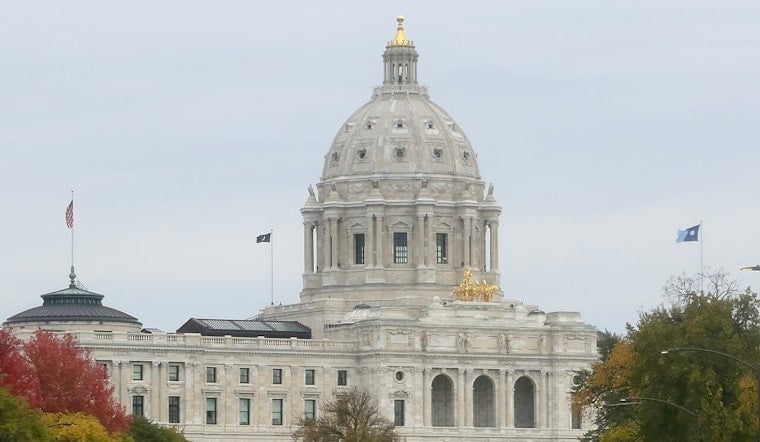
Minnesota lawmakers are back in hearing rooms this spring staring at a familiar headache: a packed wish list of local projects and a long-term budget picture that is a lot tighter than the headlines suggest. The near-term numbers look rosy, but state planners keep circling a growing multiyear gap that makes ongoing promises risky and forces lawmakers to stack local priorities against each other. That squeeze is turning otherwise routine asks for schools, roads and fire stations into choices that carry real political pain.
As reported by MPR News, Minnetonka assistant fire chief Aaron Morris walked lawmakers through his aging station on Nov. 13, 2025, as the city lobbied the state to cover part of an expansion through the capital-investment process. Minnetonka’s own capital-improvement plan lays out the same upgrades and the request for state help, a reminder that even basic public-safety projects are now tangled up in statewide budget tradeoffs; see the city plan here.
Forecast Numbers That Matter
Minnesota Management and Budget's February forecast shows a $3.734 billion balance for the FY 2026–27 biennium. On paper, that is a sizable cushion. Yet the same document pegs planning estimates for FY 2028–29 at roughly $377 million, a sharp drop that signals a structural imbalance and complicates any long-range commitments. The takeaway under the dome: a big chunk of this year’s surplus is being treated as one-time cash, not a steady base for programs that would need funding year after year.
What Lawmakers Are Weighing
To stretch what they have, legislators are kicking around a menu of one-time maneuvers. Options on the table include paying cash for some capital projects instead of issuing new bonds, shuffling the timing of certain funds and trimming spending that is easier to label nonessential. The Minnesota Chamber has described the February figures as a window of opportunity but also warned that baseline spending is still outpacing revenue. At the same time, the League of Minnesota Cities has pushed lawmakers to prioritize carefully so that projects with the biggest local impact are not left on the cutting-room floor. In practice, that means choosing which investments, and which communities, end up with state backing this year.
The Local Stakes
City leaders say the stakes are not abstract. Some federal matches and grant windows are tied directly to action this session, and local officials have been publicly pressing for a bonding package before those offers expire. Advocates have warned that inaction could cost communities federal matching dollars for flood mitigation, emergency facilities and other infrastructure, a message repeated at regional press events around the state. For one example, see coverage of local leaders pressing for a bonding bill.
All of this leaves lawmakers walking a narrow line: fund urgent local needs without locking Minnesota into ongoing costs it cannot sustain once the forecast cools. From suburban Minnetonka to small towns scattered across the map, city officials will be watching as negotiators translate the February forecast into a final blend of cash, bonding and policy choices.





.jpg)