

























































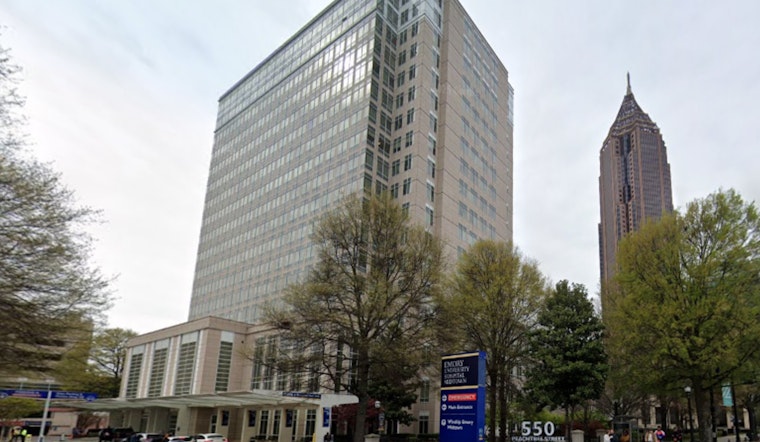
Atlanta hospital leaders say they are braced for the World Cup crush, insisting local systems can handle emergencies even as hundreds of thousands of fans pour into the city this summer. Executives from Emory, Grady and Piedmont say they have spent months running drills, simulations and cross-system planning for everything from heat stroke to mass casualties. Still, with Wellstar’s 2022 closure of its downtown Atlanta and East Point hospitals, many residents are eyeing emergency room wait times and bed availability with understandable skepticism.
Drills and infectious disease exercises
According to WABE, a recent briefing featured Dr. Jyoti Sharma of Piedmont Atlanta Hospital, Dr. Elizabeth Benjamin of Grady Health System and Dr. Alexander Isakov from Emory University’s emergency preparedness office. The doctors walked through how systems have been stress-tested and updated for the tournament.
The planning has gone beyond tabletop talk. Emory ran a large June 2025 exercise that pushed simulated infectious patients through its system to see how a new portable biocontainment unit and updated patient movement protocols hold up in real time, as detailed by the Emory News Center. Hospital leaders say the hard lessons from the COVID-19 pandemic are baked into their infection control and staffing strategies for the World Cup period.
What the city is planning for the crowds
There is a reason everyone is drilling so hard. Atlanta is set to host eight World Cup matches, and roughly 300,000 unique spectators are expected to visit the region over the month-long event, according to projections from the Atlanta Beltline. That surge is driving joint exercises that link hospitals with police, fire and EMS, all focused on managing patient flow and transportation when everything hits at once.
On match days, officials say they will have contingency plans staffed and ready for fan zones, transit hubs and stadium access points so that medical issues get triaged quickly instead of turning into bottlenecks.
Capacity concerns after Wellstar closures
Community advocates are not entirely reassured and warn that the World Cup will put an already stressed system to the test. The Atlanta Journal-Constitution has chronicled how Wellstar’s 2022 shutdowns stripped the area of hundreds of inpatient beds and left parts of south Fulton County facing longer ambulance rides to reach care. Grady has taken on much of that overflow; the AJC reports the hospital handled nearly 138,000 emergency department visits in 2023.
To keep things from boiling over, county officials and hospital leaders are pushing investments in freestanding emergency rooms and clinics as a way to take some of the strain off central hospitals when the crowds arrive.
Public safety training and mass-casualty planning
First responders are also gaming out worst case scenarios in the same high-profile spots that will be packed with fans. WSB-TV reports that Atlanta Police have already staged active shooter and mass-casualty drills at the Georgia Aquarium and Mercedes-Benz Stadium, with more scenario-based training planned for the airport and major transit stations.
Officials say these run-throughs help them uncover communication dead zones, check whether different agencies’ radios actually talk to one another and fine-tune how patients are triaged and distributed across hospitals when every minute matters.
What residents should know
Hospital leaders stress that, tournament or not, anyone who needs care will get it, and that coordination across systems is at the core of their surge planning. As WABE reported, administrators told listeners on the program “Closer Look” that infection prevention and protecting medical staff are top priorities throughout the month-long event.
Meanwhile, local officials and Grady’s plan to launch a freestanding emergency room in Union City, reported by The Atlanta Journal-Constitution, is one of several efforts aimed at easing pressure points in the system before the first whistle blows.





