

























































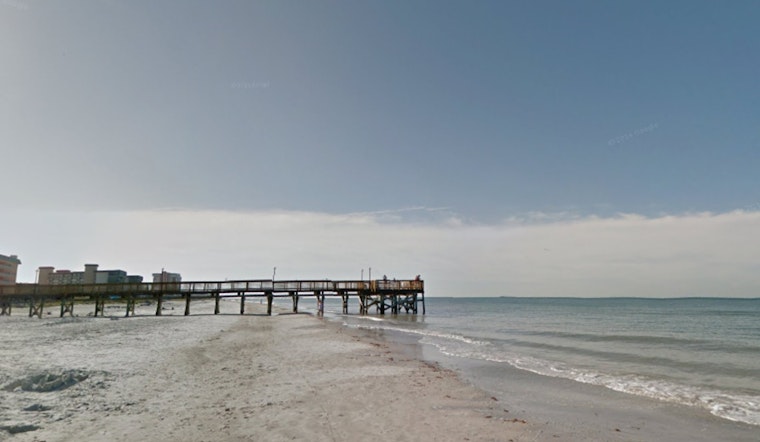
Pinellas County is pouring nearly $126 million into rebuilding its battered beaches, but the new shoreline is rolling out like a half-finished jigsaw puzzle. Because dozens of beachfront owners will not sign temporary construction easements, big chunks of coastline are being skipped, leaving low, vulnerable stretches right next to freshly raised sand.
County officials say those gaps are not just cosmetic. They warn the uneven shoreline weakens storm protection, complicates long-term planning and could make it harder to bring federal dollars back to the beach in the future.
Owners Refuse Easements, County Warns
According to county staff, 125 properties are currently off the renourishment map because owners have declined to sign temporary construction easements. That means no new sand on those parcels and visible breaks in the county’s renourishment template.
The biggest pockets of holdouts are in Indian Rocks Beach (48 properties), Indian Shores (47) and Redington Shores (30). Public Works Director Kelli Hammer Levy told the Tourist Development Council those missing easements are “like a chain” with weak links, as reported by St. Pete Catalyst.
County Moves Forward Without Federal Cost Share
Because the U.S. Army Corps of Engineers requires easements that many property owners will not grant, the county is pressing ahead largely on its own dime. Most of the $125.7 million plan is being covered with Tourist Development Tax revenues and state grants, rather than the hefty federal subsidy local leaders once expected.
Crews are dredging sand from Egmont Shoal and nearby inlet areas and placing it where the easements allow, according to Pinellas County. In many of the holdout zones, contractors can only work landward of the erosion control line, which means the shoreline itself will remain lower and more exposed than neighboring, fully nourished sections.
Missing Easements Cost Federal Support
County leaders say this tug-of-war over easements is exactly why the U.S. Army Corps pulled roughly $103 million in federal cost share, forcing Pinellas to fill the gap itself. FOX 13 reported that contractors Weeks Marine and Gator Dredging are handling different pieces of the work and that staff have tried just about everything to win over reluctant owners, from door-to-door visits to public signing events.
Progress, Permits And What’s Done So Far
Sand placement started in September 2025 near Indian Shores, and county project updates show dune planting and environmental monitoring continued into January as crews moved along Sand Key, Treasure Island and Upham Beach.
Community radio outlet WMNF reported that by late January much of the planned sand had been placed, though the job was not fully buttoned up. Dune plantings and monitoring remained ongoing, in line with project status reports from Pinellas County.
Legal And Funding Implications
The Army Corps’ long-standing policy that local sponsors secure long-term or “perpetual” easements has become a major sticking point. County officials say stricter enforcement that began around 2017 has effectively shut off federal beach renourishment assistance in Pinellas.
Regionally and in Washington, the fights have moved into the fine print. Lawmakers have debated minimum-term requirements, including 50-year estates, in recent Water Resources Development Act discussions; see coverage from ABC Action News and the federal record for more background.
Back on the sand, county staff say outreach will continue and that they will accept temporary construction easements for any property where work has not yet passed. Once the dredge and bulldozers move by, though, the window closes. FOX 13 reports that officials remain willing to sign agreements, but warn that unresolved easements could leave certain stretches of shoreline permanently less protected than their newly built-up neighbors.



