

























































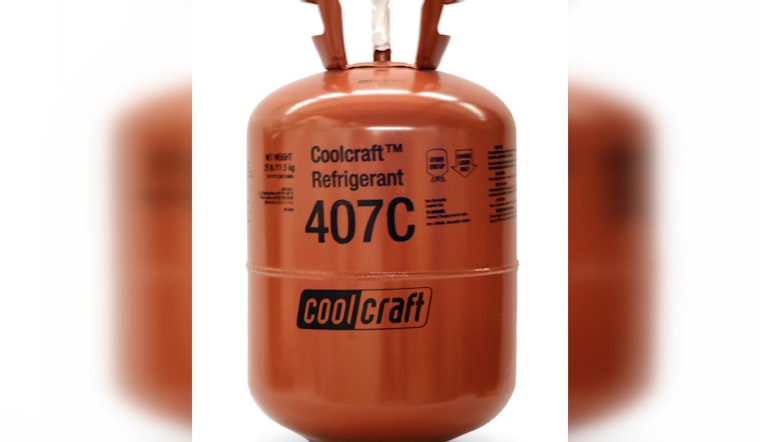
An Albany appeals court has given New York’s cold cases a temporary reprieve, halting a state ban on two widely used commercial refrigerants and buying businesses a little more breathing room. On Friday, the Appellate Division, Third Department granted an order to show cause and temporarily stopped enforcement of Part 494’s prohibition on R‑404A and R‑507A while it weighs Heating, Air‑conditioning & Refrigeration Distributors International’s request for a preliminary injunction. The pause was set to expire Tuesday, easing what industry groups had warned was an immediate supply crunch for supermarkets and food distributors across the state.
What the court paused
The order blocks the New York State Department of Environmental Conservation from enforcing the sale ban in 6 NYCRR Part 494‑1.4(f)(1), as reported by ACHR News. The appeals panel also granted an order to show cause in HARDI’s broader challenge and extended a previously granted enforcement pause for R‑404A and R‑507A beyond the date the department had planned to resume cracking down. Procedurally, that move keeps the status quo in place while judges decide whether to issue a full preliminary injunction.
Industry warns of shortages
In a white paper, Heating, Air‑conditioning & Refrigeration Distributors International estimated that roughly 18,130 refrigeration systems across New York still rely on R‑404A or R‑507A and projected a potential $106.2 million hit to statewide economic output if the ban goes forward, according to HARDI. The analysis says national reclaimed‑refrigerant supplies are only about half of what New York alone would need to service that installed base over a year, raising the specter of repair delays or expensive system retrofits. Industry representatives argue that any resulting disruptions would land hardest on small grocers and neighborhood convenience stores that lack the cash reserves of big chains.
Regulatory backdrop
The DEC had already tried to soften the rollout. It previously issued enforcement‑discretion guidance that delayed portions of Part 494 and allowed limited extensions so reclaimed supplies could develop, according to a Jan. 31, 2025 enforcement‑discretion letter from the New York State Department of Environmental Conservation. That letter said the agency would exercise discretion for Section 494‑1.4(f)(1) to give regulated entities additional time to find compliant refrigerants and complete required leak repairs. The department also outlined a force‑majeure variance process for entities dealing with especially acute supply problems.
Next steps and legal stakes
HARDI, which earlier teamed with the Air‑Conditioning, Heating, and Refrigeration Institute in litigation, has asked the Appellate Division to keep current rules on ice while both sides argue over the regulation’s legality, according to AHRI. The temporary block lets businesses continue to access existing stocks of R‑404A and R‑507A while the court weighs whether New York followed required rule‑making procedures and whether Part 494 lines up with federal implementation timelines. In the meantime, lawmakers and industry groups may look for legislative or regulatory tweaks as the case winds its way through the courts, with the state’s food cold chain watching closely.





