

























































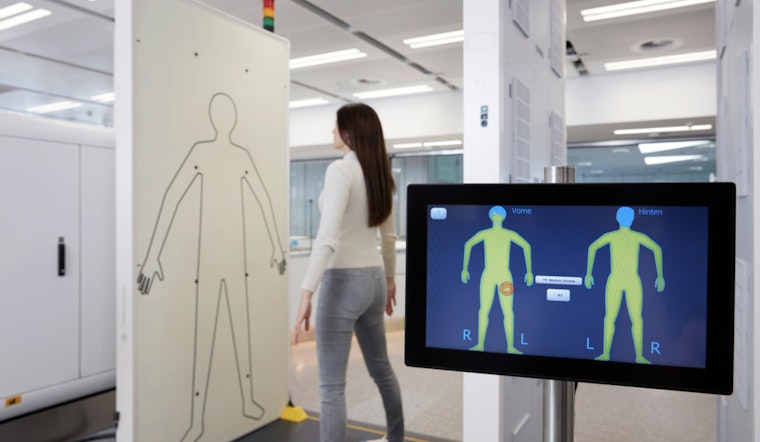
Albany lawmakers on Monday rolled out a bill that would subject corrections officers to randomized full-body scanner checks before they walk into state prisons, putting staff through the same rotational screenings that visitors already face. Sponsors say they want to cut off contraband and fix a visiting system that has kept families waiting outside prison gates after disputed scans. The proposal would also create an on-the-spot review process so visitors who fail an initial scan can be re-evaluated instead of being turned away immediately.
The measure, S9467, was filed this week and spells out what happens when a body scanner shows an “alleged abnormality,” including rotating staff through scanners, metal detectors, pat frisks and canine searches, plus requirements for reporting and supervisory review, according to the New York State Senate. The sponsor memo says the bill would also require two full-time radiologists to help review scans, shield pregnant people and minors from being scanned, and record visitor processing with stationary and body-worn cameras.
Why families pressed for answers
Sen. Julia Salazar and Assemblymember Phara Souffrant Forrest say they drafted the bill after hearing dozens of complaints from families who say visitors have been turned away over things like tampons, IUDs and benign growths that showed up on scanner images. Advocates and the lawmakers argue that making screening uniform, for staff as well as visitors, would both reduce smuggling and cut back on catch-all denials that have left some relatives suspended from visits, as reported by Gothamist.
What the bill would require
The bill directs DOCCS to operate an “equal, randomized rotation” of scanners, metal detectors, pat frisking and K-9 searches, and it lays out steps for when a scan is ambiguous, including a second scan from a different angle and supervisory review. It would also forbid using scanner malfunctions as a reason to cancel all visiting, require medical exemptions for people who cannot be scanned, and mandate reporting and accountability if staff wrongfully deny visits, according to the New York State Senate.
Supporters say scanners add security
Prison staff and their unions have pushed for broader use of scanners, arguing that contraband fuels violence behind bars and that more screening would protect both workers and incarcerated people, according to Spectrum News. A DOCCS spokesperson told Gothamist that “Contraband, such as drugs and weapons, contribute to violence in prisons,” and noted that visitors can appeal bans and that people who refuse scanners may be cleared through metal detectors for non-contact visits.
Opponents and alternative proposals
Republicans in Albany are pushing a different slate of changes, including a bill that would expand the offenses that can trigger segregation and effectively loosen parts of the 2021 HALT law, a move supporters say would restore tools to manage violent inmates. Critics warn that rolling back HALT would risk more harm to people in custody and that policy changes alone will not solve staffing or accountability problems, according to analysis from New York Focus.
The scale of the problem
The New York Department of Corrections and Community Supervision’s February fact sheet shows the agency has more than 4,600 unfilled corrections officer positions and continues to report elevated assaults and safety incidents, underscoring why lawmakers are pursuing multiple fixes; the department’s fact sheet is available from DOCCS. The executive budget includes roughly $535 million to keep National Guard troops stationed at prisons while recruitment continues, according to reporting from WXXI.
The bill is still early in the process and will move through committee hearings in Albany, where advocates for families, prison staff and civil-rights groups are likely to press competing views on safety, fairness and oversight. If it advances, the measure would eventually reach the governor’s desk, where any changes to corrections policy are expected to face close scrutiny.





