

























































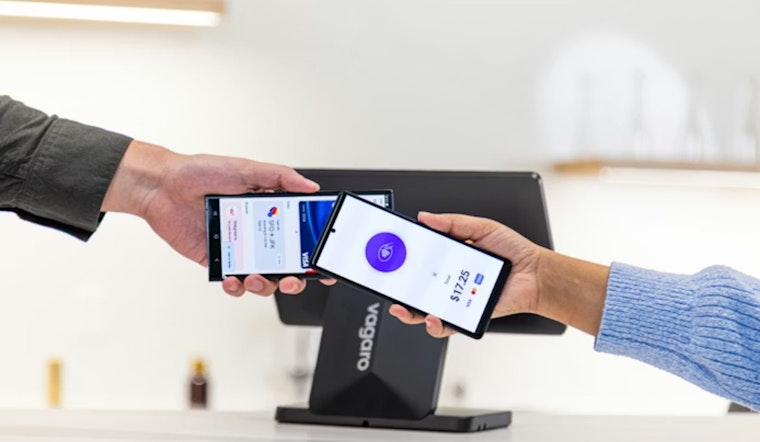
Angelenos sending money back home are ditching the long lines and glass windows for phones and bank apps. In 2025, digital transfers in the U.S.-to-Mexico remittance corridor overtook traditional cash send methods, a shift that is quietly rewriting how families move money across the border.
Official numbers show just how dramatic that turn has been. According to Banco de México, remittance inflows reached about $61.8 billion in 2025, and 99.1% of those incoming transfers were initiated electronically. Roughly half of those electronically sent funds were still picked up in cash, but even that part of the chain is now riding on digital rails.
How Big The Corridor Is And What Does It Costs
Remittances remain a lifeline for many Mexican households, and the broader regional market adds up to roughly $160 billion a year. BBVA Research and related analyses find that remittances represent more than 3% of Mexico’s GDP. The World Bank Remittance Prices Worldwide database puts the global average cost to send $200 near 6.4%, while digital channels can bring that down to about 4%. For people sending money every month, that gap is the difference between paying a fee and paying the phone bill back home.
Why People Are Switching
New apps and fintech companies are crowding into the space, pitching lower fees and near-instant delivery to U.S. migrants. “It’s so much better because it’s cheaper, instantaneous, and I don’t have to leave my house,” Maura Fonseca told the Los Angeles Times, echoing what many former walk-in customers now say about mobile remittance tools.
Policy Nudge
Policy has pushed in the same direction. A 1% excise tax on certain cash-funded remittance transfers took effect on Jan. 1, 2026, and the Internal Revenue Service has issued guidance and limited penalty relief for providers as they build out collection and deposit systems. Because many bank and card transfers are exempt, digital options are now relatively cheaper for a lot of senders who might otherwise have stuck with cash.
How Providers And Neighborhoods Are Reacting
Legacy money-transfer companies are racing to keep up. The Los Angeles Times reports that Western Union has been heavily promoting its digital channels, while MoneyGram has seen strong growth on its own online platform. That quick turn to apps and accounts has real consequences for small, community-based payout shops that have long catered to cash-only or cash-comfortable customers.
What It Means Locally
In Los Angeles, the change is both practical and generational. BBVA’s yearbook and Banxico data show that the U.S.-Mexico corridor is dominated by senders in states such as California, and younger migrants are far more likely to rely on apps. Community payment stores and neighborhood agents may have to reinvent themselves, from helping with digital onboarding to serving as cash-out points linked to bank deposits or QR-based payouts.
What To Watch Next
Key questions now hang over the next phase of the shift. Watch how quickly bank account use grows in Mexican towns, how aggressively providers price instant payment rails, and whether future regulatory changes alter the cost of cash pickups. Regulators, fintech companies, and community organizations will help decide how fast and how fairly this giant money corridor finishes its move from paper to pixels.





