

























































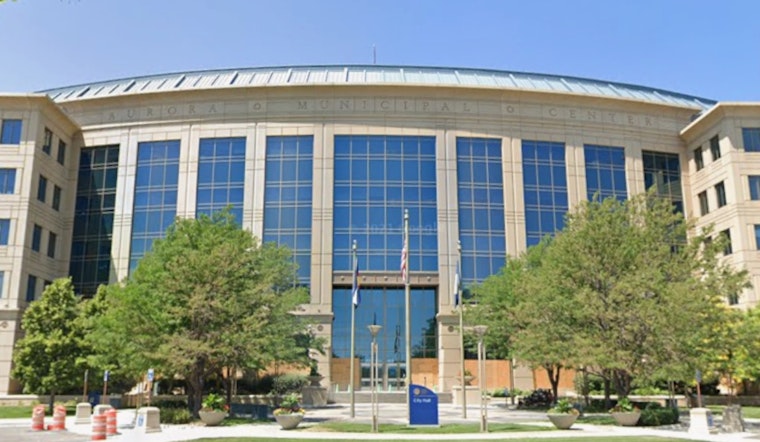
After months of tense showdowns over who gets to speak at City Hall, Aurora has cut a deal. On March 2, the city agreed to settle a federal lawsuit that challenged its limits on public comment at City Council meetings, rolling back recent rule changes activists said were meant to muzzle critics. The agreement restores in-person meetings with a longer public-comment window, while other legal battles tied to the May 2024 police shooting of Kilyn Lewis continue to move through the courts.
What the settlement requires
The settlement locks Aurora into in-person City Council meetings with a one-hour public-comment period for the next three years, and it guarantees at least three minutes at the microphone for every speaker. It also creates an ad hoc rules committee that must draft a new code of conduct with what the agreement calls meaningful public input.
The deal explicitly bans any confidentiality about its terms and requires the city to pay $75,000 in attorneys' fees and related costs, a payment MiDian Shofner says must reach her lawyers within six business days, according to Westword.
The lawsuit and the claims
Shofner filed her federal complaint on June 18, 2025, arguing that the council's step-by-step removal of in-person public comment and other rule tweaks added up to unconstitutional viewpoint discrimination under the First Amendment. The case is docketed as 1:25-cv-01917.
According to the filings, the council directly linked the tighter rules to ongoing litigation over the Lewis shooting and curtailed comment while that case was pending, effectively singling out critics of the Aurora Police Department. Those allegations are detailed in the federal complaint.
How we got here
Protests first erupted after Aurora SWAT officers shot and killed Kilyn Lewis on May 23, 2024, sparking sustained organizing and a series of courtroom fights. The 18th Judicial District later declined to bring criminal charges in the shooting.
By mid-2025, after repeated disruptions at council meetings, city leaders responded by stripping back public comment and shifting many meetings online. That move prompted Shofner's lawsuit and drew widespread scrutiny, as reported by Colorado Politics.
Voices on both sides
Shofner has framed the agreement as a clear victory for residents who kept showing up. She said the deal "sends a clear message that communities cannot be silenced for demanding accountability," according to Westword.
City officials, however, have long argued that the tightened rules were about keeping meetings under control, not shutting anyone out. Mayor Mike Coffman went further, publicly accusing some organizers of using disruptions as leverage for a payout, a claim recorded in earlier coverage by Denver7.
Legal context
This settlement ends Shofner's federal case without any judge weighing in on whether Aurora's earlier rules actually violated the Constitution. The broader factual and legal disputes remain live in other pending lawsuits.
Plaintiffs in those cases argue the city's restrictions were both viewpoint-based and retaliatory, claims laid out in the same federal complaint. Meanwhile, the Lewis family's separate civil case over the shooting is still moving forward.
What’s next
Under the agreement, Aurora must now run its in-person council meetings under the restored public-comment rules while the newly formed ad hoc committee gets to work on a permanent code of conduct.
Activists say they plan to keep packing the council chambers, both to push for police accountability and to watch closely how the new rules are enforced. City officials, for their part, say they expect the committee process to produce clearer expectations for everyone at the podium and on the dais.





