

























































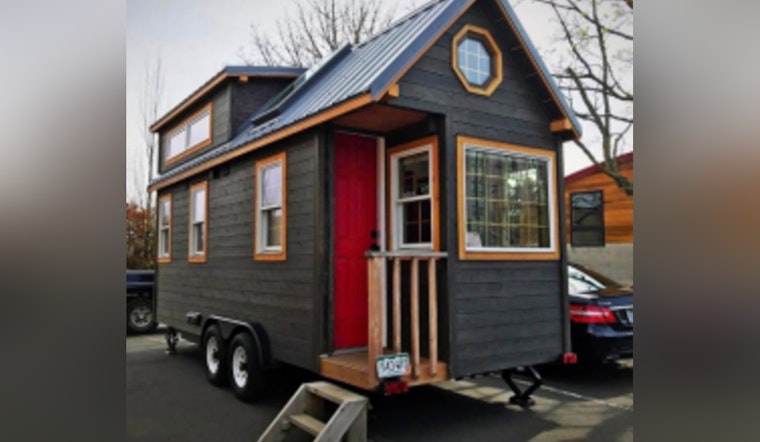
Backyard housing in Sacramento could be getting a decidedly mobile twist, as city officials consider whether “cottages on wheels” should be allowed as legal dwellings behind single family homes and duplexes. A draft framework rolled out this spring has landed at the Planning and Design Commission, which is set to take another crack at the details while staff fine tunes the rules. Fans say the tiny homes could quickly add relatively low cost, ground level housing, while some neighbors and utility providers are raising eyebrows over hookups, inspections and how these units will fit into existing neighborhoods.
What city staff are proposing
City staff define cottages on wheels as towable, but not self propelled, dwelling units of about 150 to 400 square feet that must have their own living, cooking and bathroom facilities, according to a City of Sacramento staff report. The draft rules would require third party ANSI and NFPA certification, DMV registration and permanent connections to water, sewer and electrical service. Staff recommend handling them through Site Plan and Design Review, with building permits for the plumbing and electrical work. The proposal would initially cap each lot at one cottage so the city can track how many get built, how well owners follow the rules and what the real world impacts look like.
Where this sits in the process
The Planning and Design Commission first took up the workshop item in February and, according to the commission minutes, continued it to a March 26 meeting for more public input and technical refinement. The Sacramento Bee reports that some city officials have publicly said they hope to introduce and adopt an ordinance later this year, but staff are still gathering feedback before drafting final language. The pause gives planners time to field the nitty gritty questions that come with towable units, from plumbing and power to how and where exactly they can sit on a lot.
Where other cities have gone first
Sacramento is not inventing this from scratch. The draft borrows from other jurisdictions that have already rewritten their codes for tiny homes on wheels. West Sacramento, for example, updated its zoning to allow “Tiny Homes on Wheels” and established standards for utilities, foundations and design, according to that city’s planning documents. Sacramento staff also studied ordinances and guidance from places such as Placer County, Nevada County and San José while assembling the framework. Those examples helped shape proposed rules on how the cottages should look, how far they must sit from property lines and how they connect to city services.
What the draft rules would mean for homeowners
If the ordinance moves forward, owners of single unit homes and duplexes could apply to place a cottage on wheels alongside or behind the primary residence, with the catch that people could not legally move in until inspections are passed and utilities are properly hooked up, The Sacramento Bee reports. Applications that meet the objective standards would be handled administratively, while requests that need exceptions would head to a public hearing with notice to neighbors. The intent is to open a relatively affordable, incremental housing option, not to create a backdoor way to stash uninspected travel trailers in residential yards.
Legal and safety considerations
State housing officials have been clear that “tiny homes” are not a separate legal housing type under California law, and that movable units built on a chassis are generally treated as RVs or park trailers unless local rules say otherwise, according to the California Department of Housing and Community Development’s Information Bulletin 2016 01. That backdrop is why Sacramento’s draft leans heavily on third party ANSI and NFPA certification, DMV registration and permanent, hard wired utility connections. Those requirements are meant to make sure the units function as safe, code compliant dwellings rather than temporary camping rigs. City staff baked those safety and permitting guardrails into the proposal in an effort to limit unregulated occupancy.
The conversation is scheduled to return to the Planning and Design Commission on March 26, where staff will gather more comments before sending a refined ordinance through committee and eventually to the city council. Residents can keep an eye on the city’s meeting docket for when the item appears and for chances to weigh in as the timetable plays out over the coming months.





