

























































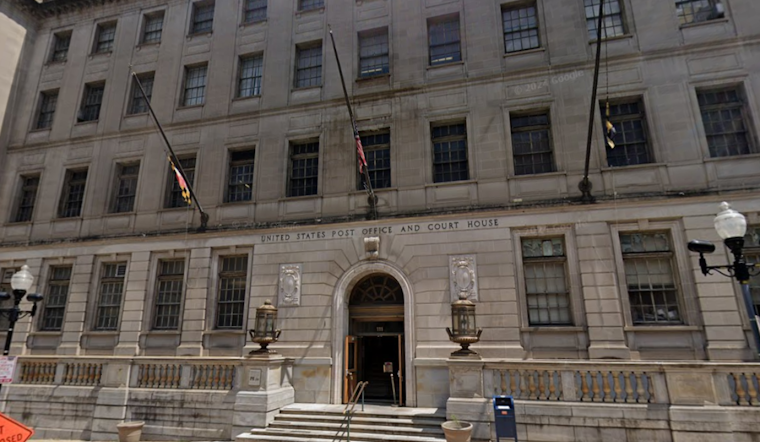
An 11-year-old boy who was tased by a Maryland Capitol Police lieutenant at the State Center government complex in Baltimore on March 13, 2023, is now at the center of a negligence lawsuit filed this week in Baltimore Circuit Court. The complaint, brought by Markeia Scott, names the state, the Maryland Capitol Police, and Lt. Carlos Gomez and accuses them of assault, false imprisonment, and negligence. According to the filing, the child was taken to the University of Maryland Medical Center after the encounter and suffered physical and emotional harm.
According to internal records cited in a report by The Banner, investigators concluded that Gomez intentionally deployed his Taser during the State Center incident. The records state that a state charging committee determined his use of force was excessive and recommended a two-day loss of leave as discipline, a sanction Gomez accepted. Copies of those records and investigators' notes are attached to the civil complaint to buttress the negligence claims.
The Maryland Department of General Services, which oversees the Maryland Capitol Police as part of its security operations, identifies Gomez as a lieutenant in its staff materials. The department also describes the State Center complex as a DGS-managed office campus. In prior reporting, a DGS spokesperson said the agency does not comment on pending litigation.
What investigators found
As outlined by The Banner, the internal investigative file states that Gomez deliberately used his Taser on the boy and highlights training gaps that investigators said "need to be addressed." The charging committee concluded the force used was excessive and imposed the two-day leave penalty referenced in the complaint, which documents say Gomez accepted.
What the lawsuit alleges
The civil filing argues that Gomez's conduct amounted to assault and false imprisonment and that the state and the Maryland Capitol Police are legally responsible for negligence. Scott contends the boy endured physical pain, injuries, reputational harm, and severe emotional trauma and seeks damages and accountability. The lawsuit specifically asks the court to weigh the internal investigative materials alongside the legal claims laid out in the complaint.
Legal and oversight context
The case highlights how internal police disciplinary records can surface in civil court and in public view after transparency reforms made many such files more accessible. With DGS in charge of the Capitol Police, the lawsuit will move through the Baltimore Circuit Court process, where motions, discovery, and scheduling orders will set the pace. Advocates and officials are expected to follow whether the litigation spurs any changes to training and oversight for officers assigned to state-run facilities.
What happens next
The lawsuit is currently pending in Baltimore Circuit Court, with the initial complaint filed this week and future hearings to be scheduled through the usual civil docket procedures. The DGS spokesperson has declined further comment on the active case in reporting, and both the state and Gomez will have a chance to formally respond to the allegations in court. Observers say the outcome could shape future policy and training reviews involving the use of force on minors in state-controlled spaces.




