

























































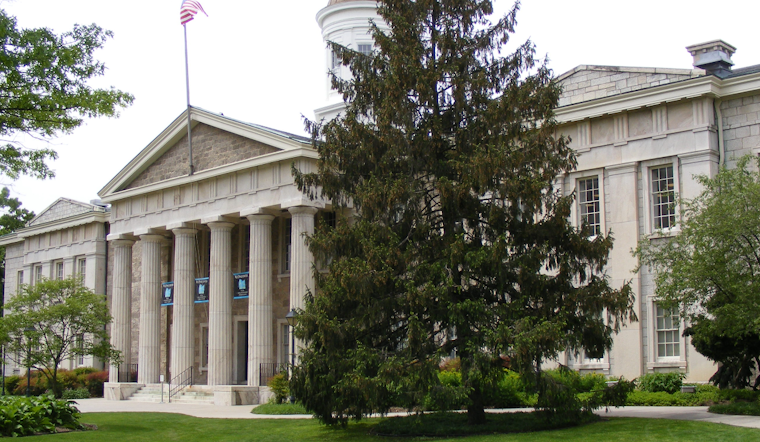
Baltimore County council members are trying to pry open the details of a $100,000 taxpayer-funded settlement that went to a former top aide to County Executive Johnny Olszewski, even as several concede they are not sure what legal tools they actually have to do it. The payment followed litigation that a judge sealed at the county’s request, a move that has already sparked public testimony and fresh legal challenges from those who want the files unsealed.
Council members press for answers
Some council members have publicly urged the Olszewski administration to make the records public, while others have told colleagues they do not know how the council could force disclosure, according to The Baltimore Sun. At a March 16 meeting, councilors debated whether the existing court sealing order effectively blocks any council action and what procedural path, if any, would let them seek the material.
That uncertainty has left residents and government watchdogs wondering why a relatively modest settlement was tucked out of public view in the first place, and whether the council will actually test the limits of its oversight power or simply live with the secrecy.
What was sealed and who was paid
The lawsuit at the center of the dispute was filed in April 2024 under the name “Baltimore County, Maryland v. Employee A” and was later identified as involving Patrick Murray, a onetime chief of staff to then County Executive Johnny Olszewski. The case ended with a $100,000 settlement, according to The Baltimore Banner.
The Banner reports that the clerk’s file was sealed at the county’s request, and that several council members said they were caught off guard to learn the litigation and payout had occurred without fuller public notice. That reporting has fueled a new round of questions about what, if anything, the council can demand in order to satisfy its role as fiscal and ethical watchdog.
Judge’s order widened secrecy, critics say
According to reporting by Baltimore Brew, county attorneys later went back to court and obtained a second order that critics say went beyond simply sealing the court file. That order bars the county from releasing records “related to” the case under the Maryland Public Information Act.
The July 1, 2025, order has become the key roadblock. It could keep internal reports, outside counsel work, and other communications tied to the matter out of public hands unless a judge agrees to scale it back or lift it entirely. Transparency advocates say the breadth of the restriction is highly unusual and worry it could become a template for keeping other politically sensitive settlements under wraps.
Legal push and what the law allows
Former county administrative officer Fred Homan has responded with his own lawsuit seeking county records tied to the Murray case, arguing that the court cannot indefinitely block future public information requests, as reported by WYPR. Maryland court rules presume that judicial records are open and require any party seeking closure to show a “special and compelling” reason for secrecy. Legal guides say any sealing order is supposed to be narrowly tailored to serve that specific need, not a blanket shutdown.
For a basic explanation of that legal standard and the limited circumstances that allow sealing, readers are pointed to the Maryland People’s Law Library guide on shielding or sealing case records.
Council members continue to say they want transparency, and some have vowed to press the county attorney for explanations about how the case was handled. For now, though, the files remain sealed while litigation and public information fights play out. The controversy has become a case study in how court orders and behind-the-scenes legal maneuvers can keep taxpayers in the dark about relatively small, yet politically sensitive, payouts. Residents and reporters alike are watching to see whether the council, the courts, or outside litigants ultimately manage to pry the record open.





