

























































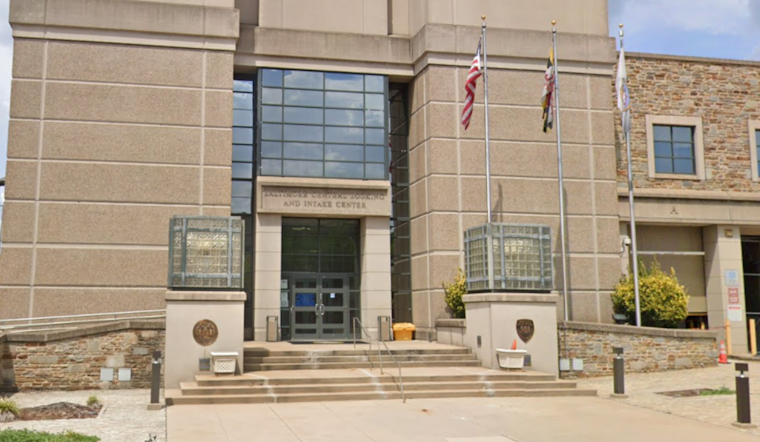
A Baltimore man charged with rape is asking a city judge to throw out his entire case, arguing prosecutors crossed a constitutional line when correctional officers searched his jail cell and copied pages from his legal notes. Defense attorney Natalie Finegar says the seizure at the intake center undercut her client’s ability to prepare a defense, and Circuit Judge Yolanda A. Tanner is set to take up the dispute on April 13, 2026.
Subpoena and seizure
According to The Baltimore Banner, Assistant State's Attorney Robert Render issued a subpoena to the warden seeking written documentation, correspondence, letters, and photographs except communications with his attorney. In response, correctional officers went into Elliott's cell, searched his belongings, and seized documents. Prosecutors then copied at least one page from the materials, a step the defense highlights as especially troubling in its court filing.
Defense's motion
Finegar’s motion asks Judge Tanner to dismiss the rape charges outright or, at a minimum, to suppress any evidence that traces back to the seized papers. She argues the notes are privileged work product and that allowing prosecutors access to them has already prejudiced the defense. The filing characterizes the seizure as interference with Elliott’s Sixth Amendment right to counsel and with his basic ability to help prepare for his own trial.
What prosecutors sought and where
The Baltimore Banner reports that the subpoena language specifically carved out communications between Elliott and his attorney, at least on paper. Finegar and her client say the way the search played out inside the jail did not respect that limit. The State's Attorney's Office did not offer further comment when the outlet reached out. The materials were taken from a cell at the Baltimore Central Booking & Intake Center, which the Maryland Department of Public Safety and Correctional Services lists at 300 East Madison Street, according to Maryland DPSCS.
Legal context
Criminal defense attorneys say going after a jailed defendant’s own legal notes is rare and instantly raises red flags about attorney‑client privilege and work‑product protections. Brian Shefferman, president of the Maryland Criminal Defense Attorneys' Association, told The Baltimore Banner that prosecutors routinely request jail calls, but subpoenaing inmate papers is unusual. If any privileged material was swept up and copied, defense lawyers say courts may have to conduct a careful, neutral review to sort out what prosecutors can and cannot use at trial.
What happens next
Judge Tanner is scheduled to hear the defense motion on April 13. Depending on how she rules, the court could suppress certain evidence, craft narrower remedies, or, in the most extreme scenario where clear prejudice is found, dismiss the charges altogether. Judge Tanner serves on the Circuit Court for Baltimore City, which lists its judges and courthouses on its website, according to the Circuit Court for Baltimore City.





