

























































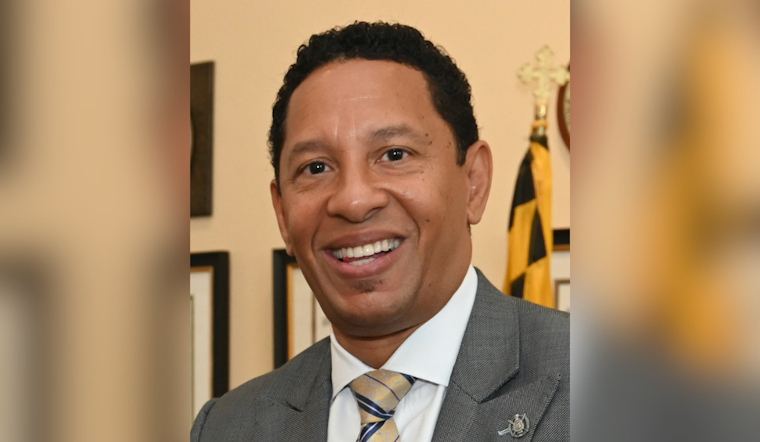
In Baltimore, a long-simmering fight over prosecutors’ “do‑not‑call” roster of police officers has boiled into a very public clash between State’s Attorney Ivan Bates and the Office of the Public Defender. The list names officers prosecutors say they will not rely on because of credibility concerns. Bates says his office has been notifying defense lawyers when it adds names, while defenders and transparency advocates insist those notices and the office’s broader disclosure practices still leave defendants without full, usable information.
In an interview with FOX45, Bates pointed to emails from the last year that he said show prosecutors gave public defenders advance notice when officers were added to the roster. He said those messages reflect an effort to coordinate discovery with defense counsel, while still protecting active investigations and the integrity of upcoming trials.
Defense lawyers say the email alerts are better than nothing but still fall short. They want the underlying investigatory records and clear criteria for how an officer ends up on the list so defense teams can fully evaluate impeachment material. Deborah Katz Levi, chief of strategic litigation for the Maryland Office of the Public Defender, told The Baltimore Banner, “We cannot emphasize enough their responsibility to seek this information and disclose it without the need for costly litigation in every single case.” Public‑interest attorneys say piecemeal notices leave judges and defense teams scrambling for records that should arrive as part of routine discovery.
The legal fight has a history. In 2021, the Maryland Court of Special Appeals held that the State’s Attorney’s Office could not categorically shield its “do‑not‑call” roster from public‑records law, as laid out in an opinion released by the Maryland Courts. That ruling forced a rethink of how prosecutors handle such lists and related disclosures, and it still sits at the center of arguments over what prosecutors must turn over to defense counsel in the name of a fair trial.
The roster is not just a paperwork issue. When portions were published under the previous administration, CBS Baltimore reported that public defenders identified roughly 800 active cases tied to officers whose names had been released. The State’s Attorney’s Office later posted an updated PDF roster that lists dozens of current and former officers, including several tied to the Gun Trace Task Force, on its site. Defense attorneys warn that the overlap between officers on the roster and pending cases makes disclosure practices a core fairness issue across hundreds of dockets.
Legal And Disclosure Questions
Maryland’s recent public‑records reforms and appellate rulings have turned up the heat on prosecutors to turn over Brady and Giglio material that could be used to challenge an officer’s credibility. Advocates point to transparency wins and briefs filed by groups like the Public Justice Center as evidence that blanket secrecy around officer credibility is narrowing. Prosecutors counter that disclosure still has to be balanced against legitimate confidentiality needs and safety concerns in ongoing investigations.
What’s Next For Defendants And Prosecutors
Bates’ office says it has worked with the Office of the Public Defender to streamline how discovery notices are delivered and that the roster itself is a tool to avoid calling officers whose testimony could undercut prosecutions, a process described on the State’s Attorney’s website. Public defenders say the office still needs to disclose the reasons and underlying records for each placement, not just send bare alerts, so courts can properly assess impeachment material and defendants can mount effective defenses. The dispute now appears likely to keep surfacing in filings, discovery fights, and courtroom hearings, as lawyers press judges to spell out exactly how much of the underlying files must be produced.





_(cropped).jpg)