

























































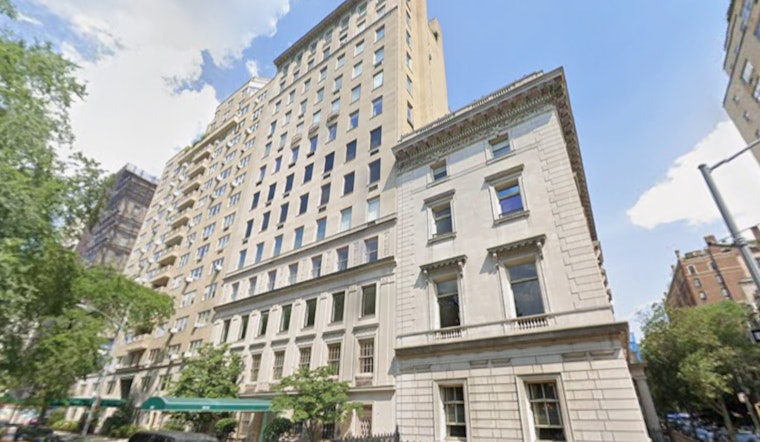
The heirs of the Bich family say a small Renaissance panel by Fra Angelico that once hung quietly in the late Bruno Bich’s Fifth Avenue apartment was lifted without their consent and funneled into the high-end art market. In a recent complaint, brothers Charles Gonzalve and Guillaume Bich ask a judge to order the work returned and to require that anyone who profited from the sale hand over those proceeds. The filing identifies the painting as Fra Angelico’s Saint Sixtus and describes it as a long-held family heirloom now sitting at the center of a cross-border fight over ownership.
What the heirs are alleging
As reported by Gothamist, the complaint accuses the family’s longtime chauffeur, Roy Morrow, of taking the panel from Bruno Bich’s Fifth Avenue residence around 2006 and later selling it into the market. According to the filing, the panel originally entered the family through the patriarch, Baron Marcel Bich, who is said to have bought the Fra Angelico at Sotheby’s in 1972 and then left it to his son in his will. The heirs also told reporters that law enforcement has no theft report on file regarding the work, according to the same coverage.
How the work surfaced on the market
Panels attributed to Fra Angelico have crossed the auction block in several major sales in recent years, and works tied to the so-called “Alana” collection, associated with Chilean collectors Álvaro Saieh and Ana Guzmán, have appeared at both Sotheby’s and Christie’s, according to art-historical listings by Cavallini. That backdrop frames the Bich heirs’ contention that the panel eventually slipped into the upper tier of the Old Master trade and into private hands. Auction catalogues and provenance notes typically show how small devotional panels like this one can pass from dealers to auctions to private collectors before they finally land in a museum or remain in a private collection.
A dealer's thread and the complaint's dollar figures
The complaint alleges that New York dealer Richard Feigen acquired the panel for about $3 million and consigned it to Christie’s in 2018, after which, the heirs say, it was sold privately for roughly $5.4 million. As reported by Gothamist, the family is asking the court to unwind those transfers and to let them recover the money tied to the sale. Feigen, a prominent Old Master specialist whose name appears throughout the complaint’s paper trail, died in 2021, as noted by The Art Newspaper.
Legal questions the court will face
If the heirs ultimately prove their allegations, the dispute will test familiar art-title questions, including whether a thief can ever pass valid ownership and whether defenses such as laches or statutes of limitation block recovery. Under New York law, a thief is generally treated as unable to convey good title to stolen property, yet timing issues and equitable defenses can still complicate efforts to reclaim a work, as legal commentators on art-market disputes have noted. The outcome is likely to turn on the documents and the chronology set out in the complaint, as well as on any argument that later buyers qualify as good-faith purchasers under the law that applies.
The case now heads deeper into the courts, where judges will have to parse provenance records, purchase contracts and the timeline of when the family realized the work was gone. For the Bich heirs, the objective is straightforward: either get the panel back or collect the proceeds from its sale. For the defendants, the fight will likely center on the legitimacy of the market transactions and any protections that may exist for buyers who say they purchased the painting in good faith.




