

























































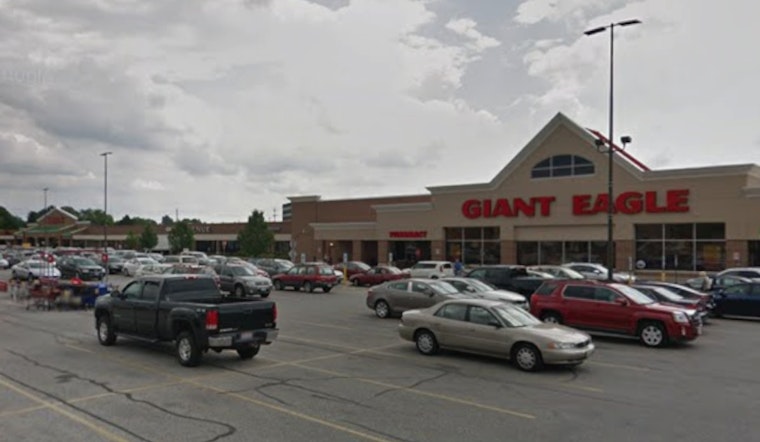
Southland Shopping Center in Middleburg Heights has a new owner, and the money came from far out of town. A New Orleans based investor scooped up the sprawling open air power center for nearly $60 million, according to local reporting, betting big on one of the south suburbs’ busiest retail crossroads.
The center, anchored by Giant Eagle, Marc’s and a lineup of discount and service tenants, sits at the heavily traveled Pearl Road and Smith Road intersection and has long been a go to retail stop for surrounding communities. City leaders and market listings have repeatedly highlighted the property’s steady foot traffic and nearby redevelopment efforts as reasons investors keep circling the site.
The transaction and price were first reported by Crain's Cleveland Business, which identified the buyer as a New Orleans investor and said the deal closed this week. Crain’s reporting notes that city officials describe Southland as a high traffic asset for the region. At the time of that report, neither the buyer nor the seller had released public statements on the sale.
Commercial listings and marketing materials show the center pulls in millions of visits annually, with its two grocery anchors helping drive daily traffic. Matthews Real Estate Investment Services lists Placer.ai data that pegs yearly visits at roughly 4.6 million and highlights a tenant roster that includes Giant Eagle, Marc’s, Marshalls and BJ’s Wholesale Club.
What The Sale Could Unlock
Southland sits next to a former Sears parcel the city has targeted for a Meijer and mixed use project, a key piece of a broader master plan to reshape the Southland retail corridor. City documents and public meeting materials outline option contracts and land sales intended to pull in private reinvestment along Pearl Road and align public support with redevelopment plans. City of Middleburg Heights records show the municipality has been actively preparing the area for new projects.
Local officials told Crain's Cleveland Business the center "attracts a lot of traffic" and suggested the sale could add momentum to private reinvestment efforts. Brokers who work on grocery anchored retail say buyers at this price level typically focus first on shoring up existing tenancy and backfilling large endcap vacancies before rolling out any larger scale redevelopment plans.
A Center With Deep Roots
Although Southland has seen periodic upgrades, investor materials and company disclosures trace its role in the local retail scene back decades. That long tenure helps explain why the grocery anchors remain reliable traffic drivers and why both institutional and private buyers continue to chase grocery anchored power centers like this one.
Recent owner and operator documents provided to investors list Southland in their portfolios and underscore its history and tenant stability, reinforcing the property’s appeal to buyers looking for established shopping centers with consistent draw. Those materials also expand on tenant mix and traffic patterns for anyone digging into the fine print.
With the sale now closed, control of one of the region’s key suburban retail hubs has shifted to an out of state owner. The first public hints of what comes next are likely to show up in lease announcements and any formal redevelopment filings with the city. We will keep an eye on council agendas, broker listings and public statements and update this story as new details surface.


