

























































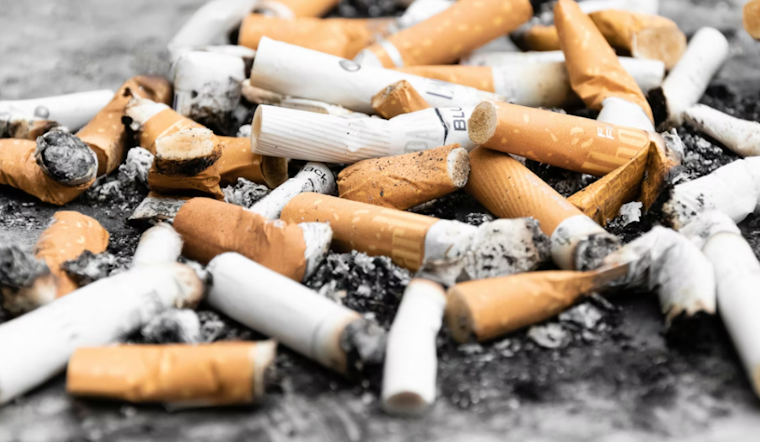
Big Tobacco is trying to snuff out Baltimore's ambitious lawsuit over cigarette litter by leaning on a deal struck back in the late 1990s.
In a high-stakes legal fight over what the city calls "toxic litter," major tobacco manufacturers have asked a Baltimore judge to toss the city's first-of-its-kind pollution case, arguing that a nearly 30-year-old national settlement shields them from liability. The companies say the 1998 Tobacco Master Settlement Agreement, or MSA, blocks Baltimore from pursuing its claims about cigarette filters and microplastics. City lawyers have fired back with a cross-motion, insisting the case is about environmental damage, not the health-care reimbursement claims that the settlement resolved.
Companies claim broad immunity
In a motion for summary judgment filed last month, several tobacco companies argued that the Master Settlement Agreement prevents Baltimore from suing over pollution caused by discarded cigarette butts, asserting that the settlement's release language sweeps in the city's claims, as reported by The Daily Record. Industry lawyers say Maryland's long-standing participation in the settlement and its ongoing payments show the state, along with its subdivisions, released related claims. Their filings characterize the MSA language as "broad" and contend it should shut down new litigation of this kind before it ever reaches a jury.
City pushes back
Baltimore answered with a cross-motion that tries to narrow the battlefield. The city argues the settlement was about recovering health-care costs tied to smoking-related illness, not giving tobacco companies a permanent free pass on other harms.
"Defendants fail in their misleading attempt to reframe the (settlement) as a global immunity agreement for all harms flowing from cigarettes," the city's filing said, as reported by The Daily Record. The city also maintains that biodegradable filter alternatives exist and that manufacturers knew the commonly used filters contain non-biodegradable plastics that end up on city streets and in local waterways.
The suit and the cleanup tally
Baltimore first filed the complaint in November 2022, alleging that widely used cellulose-acetate cigarette filters are not biodegradable and instead leach microplastics into the environment. The Baltimore City Law Department says the city spends more than $5 million a year removing cigarette filters from streets and waterways, according to a city press release.
The lawsuit seeks to recoup those cleanup and disposal costs, along with damages to natural resources and other losses tied to the litter problem, as outlined by legal coverage of the case; see reporting from Milberg for more detail.
Court history so far
Soon after the suit was filed, the defendants removed the case to federal court. That did not stick. A federal judge sent it back to state court in January 2024, a procedural win for the city that kept the case in Baltimore's backyard.
Once back in state court, Baltimore City Circuit Judge Dana Middleton denied parts of the industry's motion to dismiss and allowed counts including public nuisance, strict liability, and negligent failure-to-warn to move ahead, according to analysis from the Public Health Law Center. Those rulings set the stage for the current fight over whether the settlement text really blocks environmental claims like Baltimore's.
Why the 1998 settlement matters
The dispute turns on the language and scope of the 1998 Master Settlement Agreement, the multibillion-dollar pact that resolved health claims between states and several cigarette manufacturers. The MSA's text and the extent of the releases it created are at the center of the companies' immunity argument and of Baltimore's reply that the agreement did not cover environmental harms, per the Master Settlement Agreement.
How a judge interprets that language will be pivotal to whether municipalities can use state-law nuisance and product-liability theories to seek cleanup costs tied to cigarette-filter pollution.
What to watch next
Judges will now have to parse the settlement language and the competing legal theories laid out in the cross-motions for summary judgment. Their rulings will decide whether the case survives to trial or instead becomes a test of how far courts say the 1998 deal reaches.
If Baltimore prevails, other cities dealing with cigarette-filter trash may see a potential path to recover cleanup costs. If the industry wins, the result could narrow the legal options for municipalities trying to hold manufacturers responsible for discarded filters.





