

























































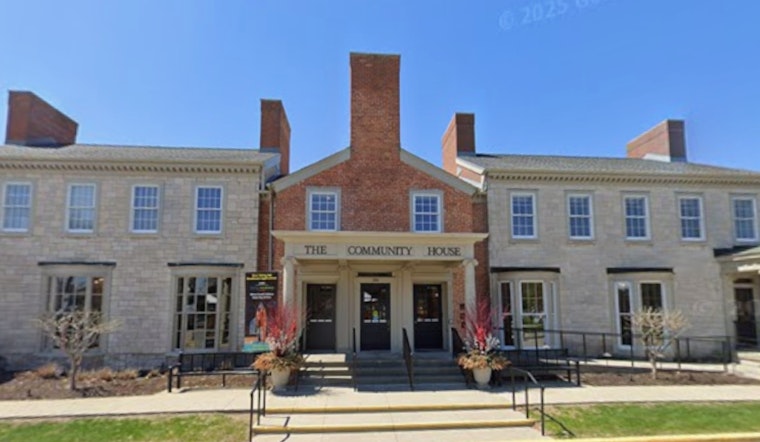
A nearly century-old Birmingham institution is suddenly in financial free fall after a crucial sale collapsed. The Community House, a nonprofit and event center in downtown Birmingham, filed for bankruptcy yesterday, after a buyer backed out of a planned deal that leaders were counting on to fund the organization's transition. The move leaves the 38,500-square-foot building's programs, including its Early Childhood Center, community classes and dozens of booked events, in immediate limbo for families and staff.
What happened
The Community House Association turned to bankruptcy court after a prospective buyer walked away from an agreement that was expected to fund the nonprofit's planned transition, according to Crain's Detroit Business. State licensing records list the organization's downtown address as 380 S. Bates St., confirming the property at the center of the dispute, per Michigan.gov.
Community reaction
Parents and longtime users had already pushed back when the organization first announced plans to wind down day-to-day operations and put the building on the market, and many now worry that bankruptcy will make it even harder to preserve programs like the Early Childhood Center. Coverage and an online petition show families and volunteers organizing to keep services running and pressing city leaders for clarity on what happens next, according to WXYZ and a petition on Change.org.
Legal note
The city of Birmingham has already taken the Community House to court, arguing that the property's 1930 deed and a 1989 court order require the site to stay a nonprofit community center and asking a judge to block any sale to a private buyer. That lawsuit, filed last November and now routed to the business-court docket, could complicate any bankruptcy sale and may trigger review by the Michigan attorney general under charitable-purpose law, according to reporting by Crain's Detroit Business.
What's next
By filing for bankruptcy, the organization immediately put an automatic stay in place that pauses most collection efforts while the case moves through federal bankruptcy court. A trustee, hearings and deadlines for creditors will follow, and any sale during the case would generally need a judge's approval. Residents, Early Childhood Center families and city officials say they will be watching the court docket and hearing dates closely as they weigh legal options and potential buyers for the property. For a primer on how the process typically unfolds, see the U.S. Courts.





