

























































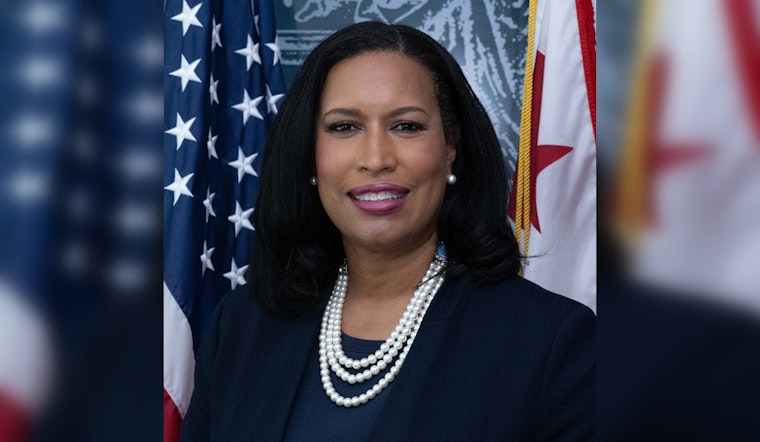
On March 10, 2026, the District Department of Transportation publicly posted a long-delayed decongestion study that lays out potential prices to cut traffic in the core of Washington, D.C. One headline scenario is a $10 flat toll to enter parts of downtown during weekday peak hours, a move the report says could trim vehicles from central streets while generating substantial revenue. Mayor Muriel Bowser wasted no time in shutting the idea down, calling it the wrong policy at the wrong moment.
What the study models
The DC Decongestion Pricing Study, prepared for DDOT by Nelson\Nygaard and completed in December 2021, tests several approaches including cordon pricing, bridge tolls, and time-based fees. As outlined by DDOT, multiple scenarios feature a $10 weekday peak cordon fee and a $5 weekend charge. Under the "small downtown" cordon option, the study projects that vehicle entries would fall by roughly 19 to 23 percent, with annual revenue landing somewhere between about $260 million and $440 million depending on the exact boundaries and hours.
The report also evaluates a per-minute timed charge that is calibrated so a short trip into the city center would come out just under $10. It adds an analytic tool meant to measure equity impacts and overall net benefits to society, rather than only looking at traffic counts or revenue totals.
Bowser's blunt rejection
In a March 10 letter to the D.C. Council, Mayor Muriel Bowser wrote that the analysis "suffers from significant methodological flaws" and warned that "taxing people up to $10 to drive into Downtown DC is a bad idea, especially now." She argued that the study relies on pre-pandemic data and shaky assumptions about current downtown foot traffic, then made it explicit that her administration "will not be conducting any further analysis on implementing a congestion tax." See DDOT for the full text of the letter.
Reactions and downtown context
The release of the study quickly split local opinion. Downtown business groups and some councilmembers warn that slapping a new charge on drivers could spook would-be shoppers and office workers at a time when central D.C. is still struggling to recover its pre-COVID energy. Transportation advocates counter that, if done right, using toll revenue to beef up bus and bike service could make it easier and cheaper to get downtown without a car.
As reported by WUSA9, the $10 figure was the instant attention-grabber. Regional planning efforts have floated a similar cordon fee for years, with moveDC previously modeling a $10 decongestion charge that officials estimated could bring in about $330 million annually for transit upgrades. See Greater Washington Partnership for additional background on regional studies and moveDC.
What comes next
Even if the study lays out technically workable options, actually putting a cordon in place would require serious regional coordination and political will. Axios has detailed the legal and political hurdles that have repeatedly stalled past attempts, including concerns that certain commuter fees could conflict with the Home Rule Act. Bowser's letter signals that her administration is not interested in pushing through those obstacles right now.
For the moment, the report lands in the Council's hands, where it is likely to spur hearings and public debate as officials decide whether to treat the document as a future blueprint for congestion pricing or let it sit on the shelf as a policy exercise for another mayor and another political climate.



_(cropped).jpg)