

























































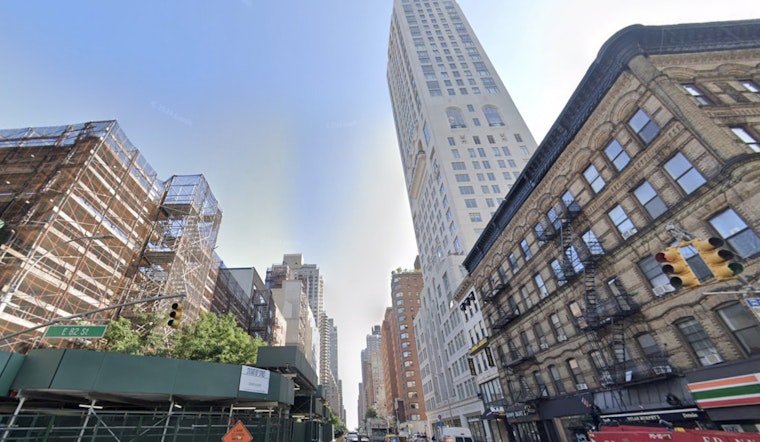
New York developers spent 2025 flooding the Department of Buildings with big plans: more than 57,000 new residential and hotel units proposed across the five boroughs, spread over roughly 67.5 million square feet and 1,972 permits. Brooklyn and the Bronx did much of the heavy lifting on unit counts, while Manhattan quietly kept stacking the skyline with taller filings. None of these projects is guaranteed to rise, but together they show where the next construction wave is supposed to hit.
The Numbers in Brief
According to New York YIMBY, 2025 wrapped with 1,972 permit filings, covering 67,528,661 square feet and a combined 57,352 residential and hotel units. The outlet’s tally is built off Department of Buildings data pulled from city reporting systems, including the DOB NOW approved-permits dataset. YIMBY counted 248 high-rise filings, defined as ten stories or taller, underscoring how a relatively small group of big projects is responsible for an outsized share of the total unit count.
Big Projects To Watch
One filing that moved the needle sits on the Greenpoint waterfront. TF Cornerstone submitted plans for a two-tower complex totaling about 1,060 units, including a 38-story, 792-unit tower at 45 West Street, as reported by Commercial Observer. Similar large-scale applications landed in Long Island City, Downtown Brooklyn and Midtown Manhattan, where a handful of mega-projects can quickly add hundreds of units to the citywide ledger with a single permit.
Where The Units Are & Building Size Trends
YIMBY’s borough breakdown shows Brooklyn leading with about 19,905 proposed units in 2025, followed by the Bronx with 14,708, Queens with 13,381, Manhattan with 8,522 and Staten Island with 836, according to New York YIMBY. Manhattan saw just 108 permits, but they averaged roughly 14.5 floors per filing, compared with a citywide average of about 5.3 floors, a clear tilt toward taller buildings in the city’s core. The report also notes that filings of 100 or more units, and especially the eight filings of 500 or more units, were disproportionately responsible for the year’s unit totals.
Policy And What Comes Next
All of this played out against a shifting policy backdrop. The city’s “City of Yes” zoning package, adopted in December 2024, opened new paths for higher-density projects and added incentives for permanently affordable housing, according to the Department of City Planning. Yet a filed permit is only a developer’s intent, not a done deal. Lenders, rising material and labor costs, and tax incentives tied to policy have all steered what actually moves forward, a dynamic explored in industry coverage from The Real Deal. For local officials and neighborhoods, the open question is whether these filings will turn into concrete, jobs and new affordable homes, or sit in limbo while the market stays choppy.
Bottom Line
YIMBY’s year-end tally does not mean tens of thousands of apartments will open next year, but it does offer a pretty good map of where developers are placing their bets. For neighbors, electeds and would-be renters, those permit filings are a clear sign that the fight over density, affordability and neighborhood change is no longer just a policy debate at City Hall. It is already playing out on the DOB’s screens, one new application at a time.





