

























































Federal prosecutors in Brooklyn said Friday that a series of arrests and recent extraditions has effectively “sunk” a transnational smuggling operation and cleared the way for U.S. court proceedings. The announcement capped a multi‑agency probe that reached beyond American borders and pulled in federal investigators working alongside overseas partners. Local officials said formal filings and arraignments are expected in the coming days.
In a post on X, the U.S. Attorney's Office for the Eastern District of New York said the arrests and extraditions “have sunk” the defendants' smuggling scheme and that bringing them into a U.S. courtroom “demonstrates the Administration's resolve” through Operation Take Back America and the Homeland Security Task Force. The social media post did not include full charging documents, but it noted that court appearances and formal filings would follow, describing the move as the product of coordinated work with federal partners.
What Operation Take Back America Requires
Operation Take Back America is a Department of Justice initiative that directs Organized Crime Drug Enforcement Task Force and Project Safe Neighborhood resources toward cartel activity, human smuggling and related transnational crimes, and tells prosecutors to pursue the most serious, readily provable offenses, according to the Department of Justice memo that created the program. The memo also calls for coordination with newly formed Homeland Security Task Forces and authorizes prosecutors to seek detention when they deem it appropriate.
Extradition as a Prosecutorial Tool
Federal prosecutors regularly lean on extraditions and international cooperation to bring alleged leaders and key facilitators into U.S. courtrooms. The Eastern District of New York has previously arraigned defendants who were returned from overseas, including the 2025 extradition of José Adolfo “Fito” Macías Villamar to Brooklyn to face federal narcotics and weapons charges, showing how foreign arrests can feed domestic prosecutions, according to a U.S. Attorney's Office press release. Investigators say Homeland Security Investigations, the U.S. Marshals Service and international partners often work together to coordinate those transfers.
What Happens Next in Court
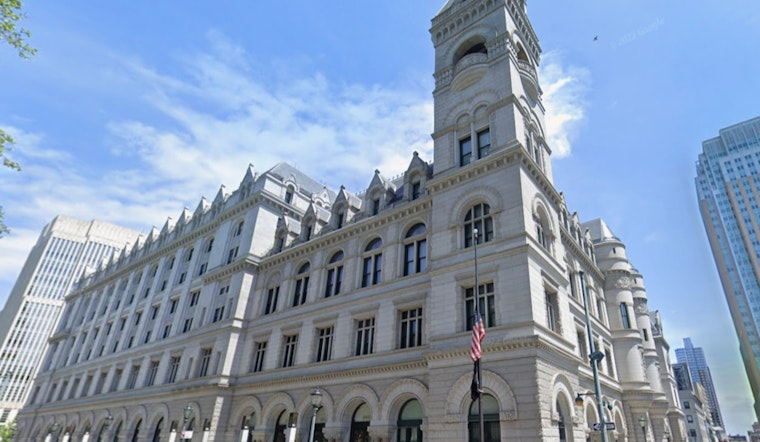
Defendants returned to the Eastern District are typically arraigned at the federal courthouse in Brooklyn, the Theodore Roosevelt U.S. Courthouse on Cadman Plaza, where judges set initial appearances and consider detention and bail motions. From there, prosecutors can seek indictments or other charging instruments, with timelines that depend on the complexity of the evidence and ongoing international cooperation. The Brooklyn courthouse handles a steady flow of transnational prosecutions that move through arraignments and pretrial scheduling, according to the U.S. District Court for the Eastern District of New York.
Legal Implications
Federal cases tied to smuggling networks can involve alien smuggling, drug trafficking, money‑laundering and related conspiracy charges, offenses that carry lengthy prison terms if proven. Recent Justice Department materials describing extradition cases state that prosecutors are pursuing these matters as part of a coordinated enforcement push intended to disrupt broad networks and secure convictions in U.S. courts, according to a Justice Department press release. Defendants remain presumed innocent unless and until proven guilty and will have the chance to contest any charges in court.
Brooklyn prosecutors said they plan to release additional details as indictments are returned and court dates are set. For neighbors and advocates watching federal efforts against cross‑border smuggling, the case stands as another example of how international arrests can lead to U.S. prosecutions at the EDNY courthouse. This story will be updated as new filings and arraignment schedules become public.



