

























































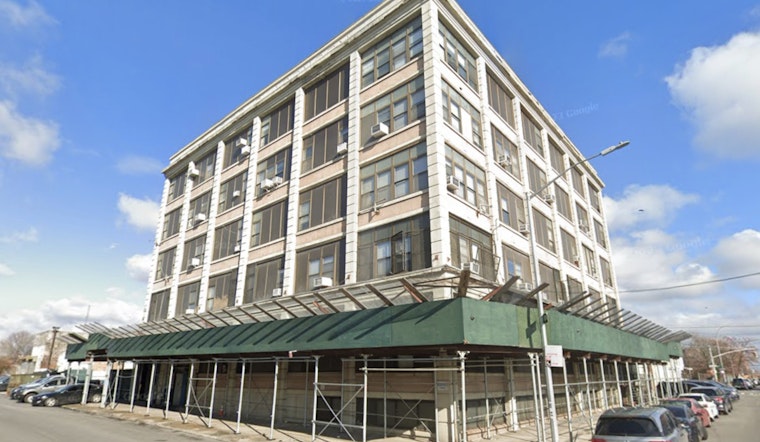
New York City quietly flipped a major switch in its shelter system on Tuesday, opening a new intake center for single women experiencing homelessness in East New York, Brooklyn. The five-floor facility at 114 Snediker Avenue clocks in at roughly 60,000 square feet and can house about 200 beds. Officials are pitching it as an "anti-trauma" front door into the city's shelter system, designed to move women more quickly into supportive services and longer-term housing while offering on-site medical care and far more privacy than the old setup.
A purpose-built first stop
The building, designed by Curtis + Ginsburg and developed as part of a city redevelopment plan, totals around 60,000 square feet and contains about 60 dormitory-style units that together will accommodate roughly 200 beds, according to construction coverage. New York YIMBY reported that the project topped out in late 2024 and includes a cellar level along with surface parking. In a shelter system full of retrofitted buildings, this one was drawn up from the start as a first stop for women in crisis.
Trauma-informed services at intake
Inside, the center leans hard into trauma-informed design. It includes a medical clinic, lactation room, fully operating professional kitchen, art therapy room and an outdoor courtyard meant for gardening and a bit of fresh air. Shared rooms are capped at no more than five women each to cut down on crowding and stress at what is usually the most chaotic part of entering shelter.
Help USA, which will operate the intake center, told Gothamist that the facility is meant to let women "take a deep breath" when they arrive and begin stabilizing rather than bracing for impact. The outlet also reports the project cost about $89.5 million and notes that the city's older Williams Street intake site will close at the end of the month as planners move services to the new Brooklyn hub.
Management, demand and context
Help USA has handled the city's intake services for single women since 2005 and runs supportive housing and dozens of shelters across the system. The Brooklyn intake typically sees roughly 4,000 requests for shelter from women each year, and most guests stay at intake for about three weeks, according to operators. Advocates say the smaller rooms and on-site services at Snediker Avenue should shorten the time women spend in intake and restore some dignity during an already frightening moment.
The center's debut comes as the city has been putting more money and attention into specialized shelter and supportive beds in recent years, with an eye on higher-need populations that require more clinical support. The NYC Mayor's Office has laid out those broader initiatives, which include expanded capacity and additional clinical services across the homelessness system.
What to watch next
City officials plan to phase in operations at the new site and gradually transition intake work from Williams Street as the Brooklyn center ramps up to full capacity. Neighbors, advocates and service providers will be watching closely to see whether the trauma-informed design and bundled services actually translate into faster exits from shelter and smoother moves into permanent housing, or whether this new front door ends up looking like the old one with nicer finishes.





