

























































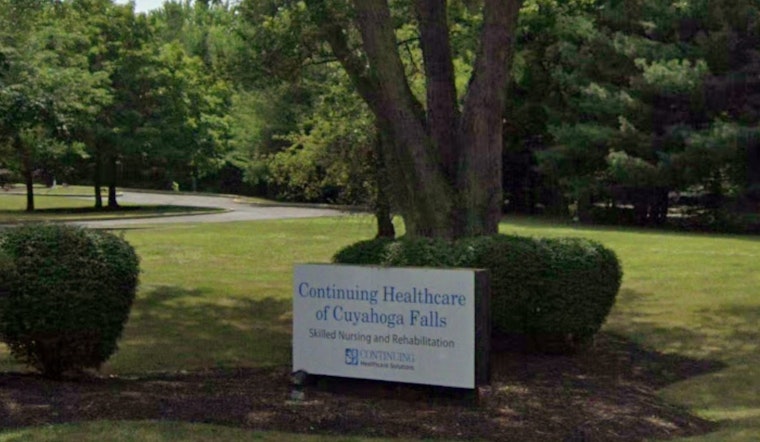
Family and friends of 80-year-old resident Louwava Hykes say they walked into scenes they will not forget at Blossom Care Center of Cuyahoga Falls, finding her bruised and sometimes sitting in her own waste. The nursing home has been on the federal Special Focus Facility list for more than 20 months and, in 2024, changed its name from Continuing Health Care of Cuyahoga Falls to Blossom Care Center of Cuyahoga Falls. State and federal inspection reports have repeatedly cited staffing shortfalls and lapses of care, and relatives, along with inspection records, suggest the problems are systemic rather than isolated.
Relatives Describe Alarming Conditions, Facility Stays Silent
Relatives told local investigators that Hykes went weeks without a shower after being moved into a cramped room following a pipe leak and that she developed bruises on her tailbone and knees, as reported by News 5 Cleveland. According to the station, family members left messages with state regulators, and the facility declined multiple requests for an on-camera interview.
Inspection Files Point To Repeated Deficiencies
Federal inspection records compiled by ProPublica’s Nursing Home Inspect, available through ProPublica, show the home is listed as a Special Focus Facility and document a string of 2024 findings, including a Dec. 23, 2024, standard survey that listed numerous deficiencies and led to a payment suspension. Earlier complaints and standard surveys in 2024 cited failures to investigate alleged neglect, infection-control problems, and lapses tied to resident falls.
Feds Tighten The Screws, With Falls Front And Center
Federal regulators revised the Special Focus Facility program this year to strengthen enforcement and to put greater emphasis on resident falls when selecting homes for the SFF list. As outlined by a Jan. 28, 2026, CMS memo, SFFs face more frequent, less-predictable surveys, escalated remedies for repeat serious deficiencies, and a three-year post-graduation monitoring period to guard against “yo-yo” noncompliance.
What Enforcement Looks Like And How Families Can Push Back
Public inspection data indicate the facility has faced civil monetary penalties and temporary payment denials in recent years, according to ProPublica’s inspection ledger; those tools are intended to push for fixes or, in extreme cases, to precipitate closure. Families who want to review reports or file complaints can access inspection records and complaint portals via the Ohio Department of Health. Advocates say meaningful change requires demonstrable staffing and practice improvements that hold between surveys, not fixes that appear only during inspection windows.




