

























































While much of Boston University emptied out for spring break, administrators moved through three campus buildings and took down Pride flags from office windows, setting off protests and a larger fight over what “neutrality” should look like on a modern college campus. Faculty and student groups say the timing and method felt like a warning shot to LGBTQ+ communities. University officials insist they are simply enforcing a long-standing signage rule, as per Boston.com.
Flags taken down across campus
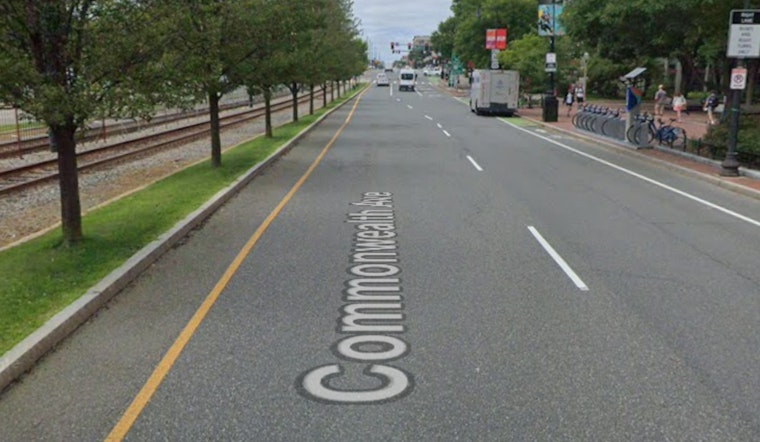
According to Boston.com, the Pride flags were removed from the Women’s, Gender, and Sexuality Studies offices at 704 Commonwealth Ave., from Professor Liz Bettini’s office in the Wheelock College of Education and Human Development, and from Professor Nathan Phillips’s office in the College of Arts and Sciences. The removals capped what administrators described as a months-long effort to apply posting rules uniformly across BU’s campuses.
Administration cites signage rules
BU officials point to the university’s Events and Demonstrations Policy, which says materials “may not be affixed to any University-owned property, including walls, windows, or furniture,” as the justification for taking down outward-facing displays. Administrators say the rule is meant to keep individual decorations from being mistaken for official university positions and that current enforcement is intended to be consistent across departments and schools.
Faculty say enforcement has been uneven
Faculty members counter that the clampdown has been slow, confusing and, in their view, selective. An email in August 2025 asked the Women’s, Gender, and Sexuality Studies program to move a Pride flag from a window to an interior wall, and similar requests continued in September, according to The Daily Free Press. Professors staged a demonstration that December, and the BU chapter of the American Association of University Professors has argued that enforcement is not evenly applied. Some faculty members also say administrators came into their offices and removed displays without prior notice.
Campus reaction and legal questions
University leaders maintain that the policy does not target any particular message. “This is a content-neutral policy,” a BU spokesperson told Boston.com, even as faculty point to other window-facing posters that they say remain untouched. The dispute has drawn legal scrutiny as well. Attorney Naomi Shatz, who represents students in higher-education matters, told the outlet that professors might have potential claims under the Massachusetts Civil Rights Act (Chapter 12, §11I) if they can show the university’s actions involved coercion or unequal treatment.
Why visibility matters for students
Supporters of the flags say this is not just about office decor, it is about survival signals. Research has repeatedly found that clear signs of institutional support can matter for LGBTQ+ students’ mental health. A 2020 study in Pediatrics found that sexual-minority adolescents were still more than three times as likely as their heterosexual peers to report a recent suicide attempt, and researchers note that inclusive environments can help narrow that gap. The study is available via PubMed.
What’s next
The conflict is unlikely to fade quietly. The BU AAUP chapter is organizing a petition and broader outreach to students, faculty and alumni, according to The Daily Free Press. Students have already taken the fight off campus, raising the removals during a Boston City Council education committee hearing, a recording of which is posted on YouTube. University leaders, for their part, continue to point to BU’s Community, Civility & Free Speech page and say they favor dialogue and direct outreach as they carry out the policy.
Faculty members say they will keep pushing to change a rule they view as effectively silencing affirming symbols, while administrators say they are obligated to protect both free expression and institutional neutrality. For now, the flags are down, and the argument over where that balance should land is shifting from office windows to council hearings, faculty meetings and perhaps eventually a courtroom.





