

























































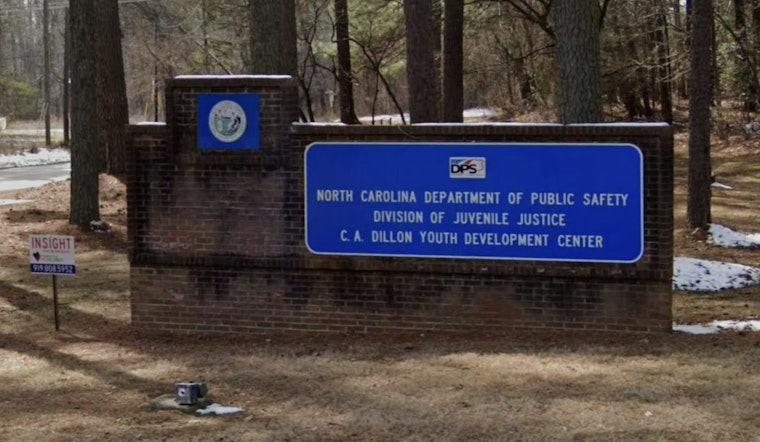
North Carolina is betting $3.5 million that intensive mental health care inside a juvenile lockup can help turn kids’ lives around.
The state is launching a new mental-health pilot inside the Dillon Juvenile Detention Center in Butner, funded by the Department of Health and Human Services. New Hope Treatment Centers will run the program in partnership with the Department of Public Safety and Alliance Health, with a goal of expanding crisis care for justice-involved youth. Officials say the initiative is built to treat acute mental-health needs and line up supports so young people have a better shot when they return to their communities.
Young people involved in the justice system often face serious mental health challenges and need the right support to heal and move forward. NCDHHS is partnering with the North Carolina Department of Public Safety, Alliance Health and New Hope Treatment Centers to launch a new https://t.co/1BT8tcaXCF
— NCDHHS (@ncdhhs) March 10, 2026
What the Pilot Will Provide
According to NCDHHS, the pilot will blend crisis intervention and clinical assessments with "whole person" care coordination that tackles non-medical needs such as housing, education and family support. New Hope will staff the program with mental-health professionals and nurses trained in psychiatric care, and officials say it will prioritize youth experiencing psychosis, withdrawal or repeated suicide watch.
The pilot is expected to begin operating later this year and will serve up to ten participants at a time in a designated space inside the detention center.
Why Officials Say It Is Needed
State data highlight the scale of the problem. A representative point-in-time survey found that 97.7% of youth confined in youth development centers had at least one mental-health diagnosis and 56.6% had co-occurring substance-use disorders, according to the North Carolina Department of Public Safety 2024 annual report.
Those numbers underscore how high the clinical needs are among detained youth and how hard it can be to access consistent behavioral-health care in the community. State officials argue that putting crisis services inside detention centers can deliver timely interventions while longer-term supports are set up on the outside.
Watchdogs Say Problems Persist
The pilot also lands amid continuing criticism of conditions inside some juvenile facilities.
A recent review by Disability Rights North Carolina reported that youth at Dillon described being confined for as long as 23.5 hours a day during monitoring visits, facing inconsistent access to schooling and experiencing suicide-watch practices that in some cases felt punitive instead of therapeutic.
DRNC recommended trauma-informed suicide-watch protocols and regular confidential access to therapists. Advocates say a structured mental-health pilot could offer a way to build those recommendations into daily practice, if the state follows through.
Where It Will Run and What Is Next
The pilot will operate at Dillon Regional Juvenile Detention Center in Butner, a 35-bed facility at 100 Dillon Drive, Butner, NC 27509, according to the North Carolina Department of Public Safety.
Youth will be screened and assessed by mental-health and facility staff to determine eligibility, and the initial design limits the program to ten participants at a time. "We want to focus on care over punishment," NCDHHS officials quoted Kelly Crosbie as saying in the state release. Partners plan to track outcomes and use the results to decide whether the model should be expanded to other sites.
How It Fits Into Statewide Reforms
Officials say the Dillon pilot lines up with Governor Josh Stein’s Governor of North Carolina Executive Order 33 and a broader NCDHHS push to grow crisis services and community supports.
The announcement comes alongside investments in virtual therapy and behavioral-health urgent-care centers intended to cut emergency-department waits and expand access to timely treatment. State leaders and advocacy groups alike will be watching whether this inside-the-facility crisis model reduces acute incidents and improves reentry outcomes for justice-involved youth.





