

























































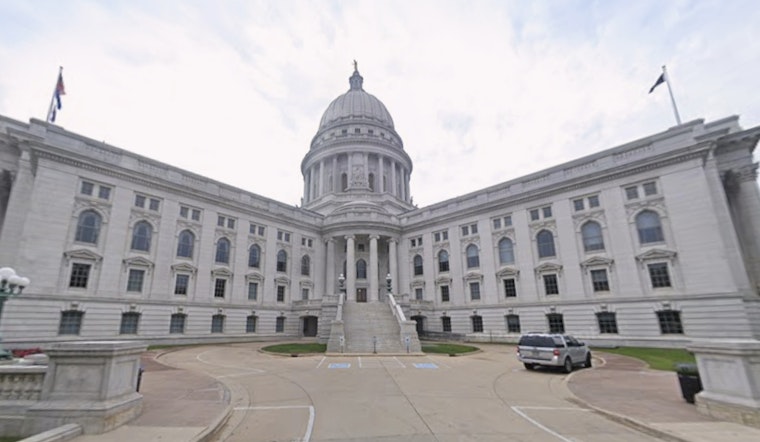
A Republican-backed plan to shield speakers from costly courtroom grudge matches hit a wall in the Wisconsin Senate this month, abruptly stalling after objections from one or more GOP senators. The bill had glided through the Assembly in February but never reached a Senate floor vote, leaving Wisconsin without new anti-SLAPP protections for now. Hovering over the fight is Sen. Cory Tomczyk’s 2021 defamation suit against the Wausau Pilot & Review, a case that helped light the fuse under the legislation in the first place.
Senate Bill 666 and its Assembly companion, AB 701, would adopt the Uniform Public Expression Protection Act and were introduced by Sen. Eric Wimberger and Rep. Jim Piwowarczyk. According to LegiScan, the draft closely tracks the model anti-SLAPP language used in other states. The Assembly approved the companion measure on a voice vote in mid February. Supporters then pushed it toward the Senate floor, but advocates say it stalled before getting a vote, according to reporting from The Badger Project.
Tomczyk sued the Wausau Pilot & Review in 2021 after the outlet reported that he used an anti-LGBTQ slur during a county meeting. A judge dismissed the defamation claim in April 2023, and an appeals court later let that dismissal stand, according to court records. Justia court documents and reporting by Wisconsin Public Radio show the suit saddled the small nonprofit newsroom with heavy legal costs. Tomczyk has rejected claims he personally blocked the bill. In a Facebook post quoted by the Wisconsin Examiner, he wrote, "Most media is dominated by the left with only 2 or 3 right leaning outlets in the entire state."
What the bill would do
The proposal followed the Uniform Public Expression Protection Act template. It would let defendants file a special motion to strike, require expedited hearings, pause discovery while that motion is pending, and allow prevailing parties to recover attorney fees. According to the ACLU of Wisconsin, those tools are designed to stop the "punishment is the process" strategy that can scare off critics or bankrupt small outlets even when they ultimately win.
Supporters stress that the measure is procedural rather than a rewrite of defamation standards. The goal is not to change what counts as libel, they say, but to let judges toss meritless cases early instead of forcing defendants through years of expensive litigation.
Who backed the bill, and who did not
The bill drew an unusually broad coalition: conservative Republican sponsors, local newsrooms, the Wisconsin Freedom of Information Council, and national press advocacy groups. As Free Press Action reported, advocates warned that the measure would help protect ordinary citizens and small news organizations from being bled dry by drawn out lawsuits.
Rep. Piwowarczyk said he was "very disappointed" that "one or two Republican senators" blocked the bill, according to the Wisconsin Examiner. That quiet resistance inside the majority party was enough to keep the measure off the Senate calendar as the session wound down.
Legal implications
Even when a defendant ultimately prevails, Wisconsin’s public figure defamation standard means cases can drag on for years, leaving small outlets to cover mounting legal bills. The Tomczyk case became a prime example. Court filings and coverage by Wisconsin Public Radio detail how costs built up as the case moved through the courts.
Anti-SLAPP procedures do not change the elements a plaintiff must prove in a defamation case. Instead, proponents argue, the early dismissal and fee shifting provisions would blunt the economic pressure that makes strategic lawsuits against public participation such an effective weapon.
What is next
Sen. Wimberger, the bill’s lead sponsor in the Senate, has said he plans to bring the proposal back when lawmakers return next year and that he "look[s] forward to reintroducing the bill next session," as he has been quoted in coverage. Urban Milwaukee reported that Senate leaders acknowledged they "didn't have the votes" to bring SB 666 to the floor as the Legislature wrapped its regular session.
With several incumbents retiring and both chambers shifting into campaign mode, advocates and lawmakers on both sides say they expect the issue to resurface in the 2027 session.
For now, Wisconsin remains one of the states without a statutory anti-SLAPP shield, and the small newsrooms that championed the bill say they will keep pressing for faster, fairer ways to clear out meritless claims. Supporters in the Legislature say they plan to use the lull to fine tune the language and try to build broader backing before the next round.





