

























































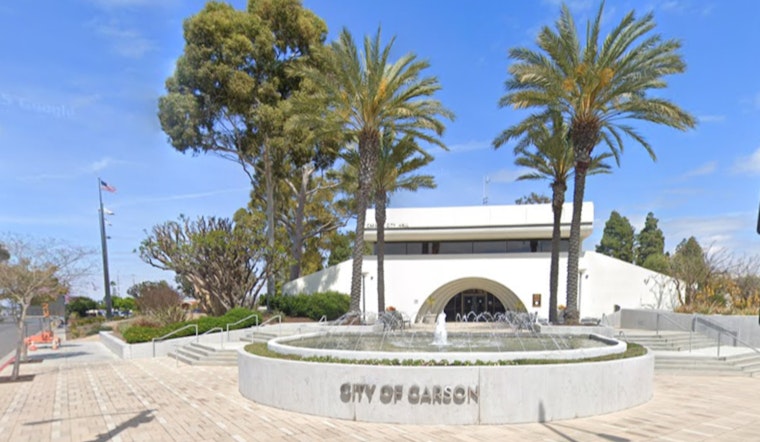
Carson is about to rip up part of Calas Park, but city officials say it is for a good reason. On Thursday, the Carson City Council signed off on a nearly $6 million project to tuck a large underground stormwater treatment vault beneath the park’s baseball fields. Staff say the buried system is designed to grab and clean runoff flowing toward the Dominguez Channel, help refill local groundwater and create a shallow subsurface reservoir that will feed the turf above. The vote clears the way for construction and related park upgrades, which will require taking fields out of service while crews work below the grass.
How the vault will work
Under the plan, storm flows from nearby drains will be routed into a pretreatment unit, then into a sizable underground storage vault where sediments and heavier pollutants can settle out before the water either seeps into underlying groundwater or is reused for passive irrigation. The Los Angeles Regional Water Quality Control Board reports that the system is sized to capture “2.8 acre-feet per event and 13.8 acre-feet on an annual basis” and will rely on vaults, bioswales and infiltration galleries to help cut down metals and bacteria in runoff. The same order requires interpretive signs at the park and regular maintenance of both the vault and its forebay so the water-quality benefits do not fade over time.
Park upgrades and the construction plan
According to city environmental documents and staff reports, the project will tuck storage vaults under existing sports fields, add a vegetated bioswale north of the tennis courts, and then restore or replace disturbed facilities, including field turf, fencing, some walkways and certain trees once work wraps up. The project’s Mitigated Negative Declaration spells out a shallow storage layer beneath the turf for irrigation use and calls for a hydrodynamic separator to provide pretreatment, according to the Calas Park MND. Local coverage from the Daily Breeze noted that council members voted this week to give the green light to the full package.
Funding and the enforcement backstory
The money behind the Calas Park supplemental environmental project traces back to a series of sanitary sewer spills. Settlement documents say sanitation districts agreed to a $6 million administrative civil liability, with roughly $5.98 million earmarked for the Calas Park SEP. According to those materials, the SEP funds are expected to pay for engineering and design, construction of the stormwater system and the related park improvements, with the Los Angeles Water Board overseeing how the project is carried out. The enforcement case covers spills that occurred between 2018 and 2022, including a significant overflow in December 2021 that reached the Dominguez Channel.
Timeline, oversight and what’s next
City records show the design work went out to bid last year, and Craftwater Engineering was selected to handle plans and permitting. Staff told council members they expect construction to start this summer and run for roughly two years after crews mobilize, according to Carson agenda materials. The water board’s stipulated order gives the SEP a specific implementation window tied to the settlement, and regulators will be responsible for inspections and for verifying spending and project completion. City staff say they will coordinate the schedule with youth sports leagues and will post notices in advance if and when fields or sections of the park need to be closed.
Why it matters
Officials described Calas Park as a strategic spot for the SEP because it sits within the Dominguez Channel watershed and in a neighborhood identified in environmental documents as a disadvantaged community, a factor that helped justify routing the settlement money there. Project documents highlight several intended benefits, including lower pollutant loads in surface waters, added groundwater recharge and public education through on-site signage and outreach. If the schedule holds, residents should eventually get upgraded park amenities on the surface and cleaner stormwater headed to the channel beneath their feet.





