

























































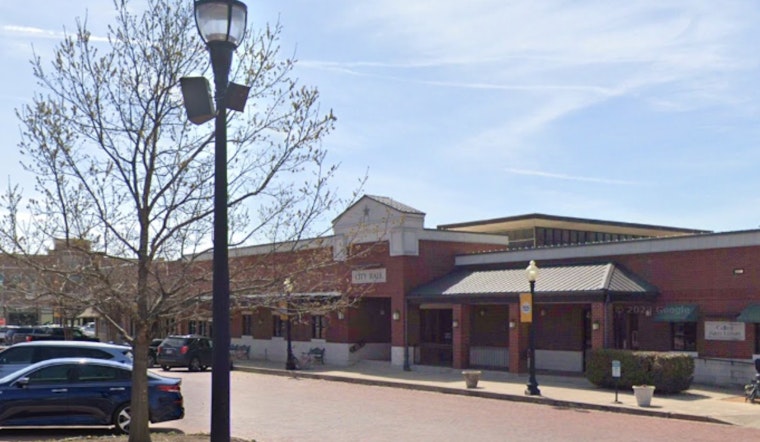
Celina is gearing up for a busy construction year in 2026 after the City Council on Tuesday signed off on roughly $189 million in capital projects focused on water, sewer and streets. The spending package is the opening move in a five-year capital improvement program topping more than $800 million, a long-planned sprint to keep basic infrastructure in step with rapid growth. City officials are pitching it as essential work to protect water capacity, shore up drainage and give aging downtown streets a long-overdue rebuild.
Plan priorities and top projects
According to the City of Celina, the 2026 phase of the Five-Year Capital Improvement Program leans hardest on utilities and roadwork. The blueprint also carves out money for parks, public safety, facilities and information technology. City staff says those pieces are not extras but core investments needed to serve fast-growing neighborhoods and maintain service capacity as new development comes online.
What the 2026 package funds
The 2026 capital thread approved by council totals about $189 million and kicks off a five-year plan worth more than $853 million, according to Community Impact. That reporting notes the city intends to put nearly $87 million next year into pump stations, waterlines and sewer improvements, with another roughly $68 million slated for roadways. About $18 million of that road money is earmarked for downtown streets in 2026. Over the full five-year window, the plan also reserves about $86.6 million to convert downtown lanes and alleys to concrete as part of a 10 to 15-year strategy.
“It was before the '60s that all these roads were redone,” Deputy Mayor Pro Tem Brandon Grumbles said, as quoted in Community Impact. City staff cautioned that tackling several downtown jobs at once will be disruptive and may require hiring outside engineering firms to keep schedules on track, a trade-off between speed and day-to-day convenience.
How the city will pay
The financing plan relies on a mix of cash reserves, developer contributions, and long-term debt, with the council starting the formal debt-issuance process at the March 10 meeting, according to the city’s meeting portal. Staff walked through scenarios for staggered debt sales as a way to move high-priority work forward quickly while trying to manage impacts on the tax rate. Final approval for any certificates of obligation or other bond issues will return to the council in separate actions as individual projects advance from planning to construction, with each packet detailing timing and financing specifics.
What residents should expect
Residents can expect lane closures, short detours and the usual construction noise as crews fan out through downtown streets and major utility corridors. The city’s capital plan materials openly acknowledge that overlapping projects will be inconvenient in the short term. Staff also warn that compressing a lot of work into a tighter schedule is likely to push up engineering and contractor costs, even as it shortens the overall disruption for neighborhoods. Phasing guidance built into the five-year program is meant to juggle timing, cost and traffic impacts across different parts of the city.
Legal note: the city intends to use Certificates of Obligation to keep projects moving. According to the Texas Municipal League, those instruments generally allow cities in Texas to borrow for certain public works without a bond election, but they are still subject to statutory notice and protest requirements that can, in some situations, trigger an election. Residents who want the fine print on timing, project lists and public-comment opportunities are directed to the city’s capital improvement materials and upcoming council agenda packets.





