

























































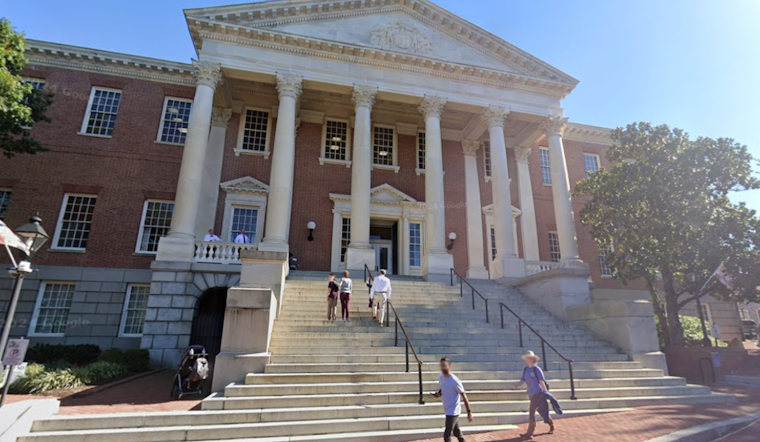
Maryland lawmakers are moving to shut down a hiring loophole that lets school employees charged with serious crimes stay on the payroll. A bill now working its way through the General Assembly would bar public and private schools from hiring or keeping staffers who are charged with a range of serious offenses, after local reporting revealed Harford County employees remained in schools while facing felony and weapons allegations. Supporters describe the proposal as a straightforward patch to prevent repeat breakdowns in vetting.
House Bill 1418, introduced Feb. 13, would prohibit school systems and contractors from knowingly placing employees who have been charged with offenses such as child sexual abuse, drug distribution, crimes of moral turpitude, certain federal school-targeting crimes or any felony, according to the Maryland General Assembly. The bill would also require schools and vendors to keep workers with those pending charges out of roles that provide direct, unsupervised access to students. Sponsors have written the measure to take effect July 1, if it becomes law.
Project Baltimore reporting spotlighted two Harford County hires that spurred delegates to act: Lawrence Smith, hired by Harford County Public Schools in August 2025 and later admitting to a felony connected to alleged overtime fraud, and Kairen Thomas, who stayed on staff at Edgewood Elementary after a 2024 gun conviction before new drug- and weapons-related charges followed. As reported by FOX45, both men continued working in county schools for months after fresh allegations emerged and were eventually removed from their positions.
Audit Flags Gaps In Statewide Screening
A January audit by the Office of Legislative Audits found that the Maryland State Department of Education did not have strong enough policies or monitoring in place to ensure local school systems completed required pre-employment screenings or tracked follow-up criminal alerts. Auditors reported that MSDE did not require enrollment in continuous-monitoring tools such as the FBI’s Rap Back service and that 16 out of 24 local education agencies were not members of the national NASDTEC disciplinary clearinghouse, leaving blind spots in access to prior disciplinary actions involving educators. The audit recommended periodic compliance checks and mandatory participation in these monitoring systems, steps that backers of HB 1418 say the bill is designed to reinforce.
Harford Lawmakers Pitch Local Scandal As Statewide Fix
At a House Ways and Means hearing, Delegate Lauren Arikan told colleagues the bill was drafted in response to recent Project Baltimore investigations into Harford County hiring and pushed for a single, statewide standard. No verbal or written testimony in opposition was recorded at the committee meeting, and supporters pointed to bipartisan sponsorship, four Republicans and two Democrats from Harford County, as a sign the proposal could move quickly.
What HB 1418 Would Mean For School Employees
Under HB 1418, any employee charged with a qualifying offense would have to notify their employer within two business days of learning about the charge, and failing to do so would make that person ineligible for rehire in the school system for five years after the case is resolved, according to the Maryland General Assembly. The measure authorizes the State Board to revoke approval for nonpublic schools that violate the hiring prohibition and specifies that rehiring is allowed only if the charges are dismissed or the employee is acquitted.
The bill currently sits in the House Ways and Means Committee, which has held a recorded hearing, and it faces a tight calendar if it is going to clear both chambers this spring. LegiScan lists the sponsors and committee activity, and advocates say the combination of high-profile local reporting and the audit’s findings could push HB 1418 to a vote before the session ends.



