

























































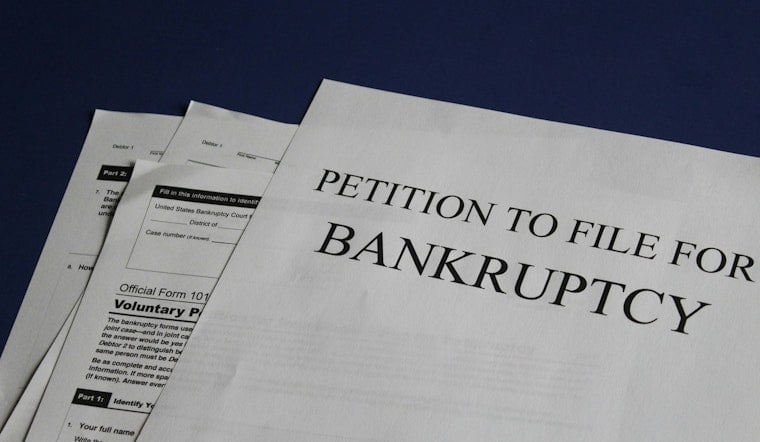
Charlotte-based developer BRD Land & Investment has started marketing and selling chunks of its development pipeline after filing for Chapter 11 bankruptcy, putting thousands of planned home sites, along with the builders, vendors and permits tied to them, into a holding pattern while the courts weigh in. The company says a tightening market for first-time homebuyers cut into demand for its lot sales and helped push it into restructuring.
According to the Charlotte Business Journal, BRD has hired a firm to market and sell a portion of its residential and commercial development portfolio, which the outlet reports includes more than 14,000 residential lots. The Business Journal notes that, in court filings, the company pointed to a "substantial decline in first-time homebuyers" as a key factor behind its Chapter 11 filing.
BRD and two affiliates filed voluntary Chapter 11 petitions on Feb. 24, in the U.S. Bankruptcy Court for the Western District of North Carolina. The cases were docketed for joint administration under case number 26-30215, and the company asked the court for first-day relief to keep operating and to use cash collateral, according to the United States Bankruptcy Court for the Western District of North Carolina. The court calendar shows a March 2 first-day hearing on those motions and related requests.
Affidavits attached to the filings, summarized by bankruptcy tracker Chapter11Cases, state that homebuilder cancellations and renegotiations cut BRD’s projected pipeline revenue by roughly $390 million in 2025 and left the company with around $66.5 million in promissory-note obligations. The summaries also report allegations that DLP Lending Fund, a senior secured lender, pushed for accelerated payments and exit fees that further tightened BRD’s cash position.
How The Sales Process Could Unfold
Under Chapter 11, the debtors can keep operating as debtors in possession while they market and sell assets, but those sales usually need court approval and can take the form of negotiated deals or court-supervised section 363 sales. The U.S. Courts explains that Chapter 11 is designed to preserve value for creditors while giving a company time to reorganize, and BRD’s motions ask the court to maintain operational flexibility as it solicits offers.
Local Fallout And What Comes Next
Builders that had purchase agreements or options on BRD lots could see delays or find themselves dealing with new owners if parcels change hands, and vendors already waiting to be paid may face slower recoveries. Filings summarized by Chapter11Cases show vendor payables above $9 million as of January 2026. A case listing and claims portal maintained by Verita Global displays the docket and notes a meeting of creditors scheduled for April 8, and any proposed asset sales will require additional court motions and formal notice to interested parties.
For now, BRD’s filings indicate the company is trying to walk a tightrope between preserving value for secured creditors and providing noteholders and vendors a path to recover. We will monitor court filings and county permitting records for updates as sale notices and bid results begin to surface.





