

























































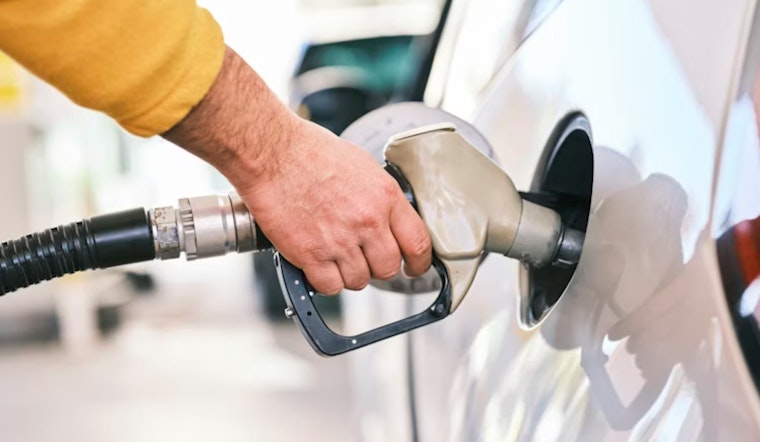
Chevron is warning California leaders that their latest climate play could come with a serious sticker shock at the gas station. In a blunt message to Sacramento, the oil giant says proposed changes to the state’s Cap-and-Invest program could push more refineries out of California, tighten already thin fuel supplies, and tack more than a dollar onto every gallon of gas by 2030. The company argues that the rules, as drafted, put hundreds of thousands of petroleum-related jobs on the line just as regulators gear up for a formal rulemaking on tougher emissions limits for major facilities.
Chevron's letter to Newsom and CARB
In a letter to Gov. Gavin Newsom and the California Air Resources Board, Chevron President Andy Walz warned that the "proposed regulation will cripple the survivability of the state's remaining refineries" and urged state officials to rethink the approach. Chevron attached its own modeling that, according to Chevron, shows a potential hit of more than $1 per gallon for retail gasoline by 2030 and the possible loss of about 536,770 petroleum-industry jobs if the plan moves ahead unchanged.
Regulators, process, and local coverage
On the other side of the table, CARB staff have released preliminary regulatory text and a staff report and say the formal 45-day public comment period ran through March 9 as they prepare to bring the proposal to the board later this spring. The draft package would tweak how emissions allowances are allocated and adjust other mechanics of the Cap-and-Invest system. CARB staff say they are keeping meetings going with affected companies and other stakeholders as they refine the rule. The back-and-forth between industry and regulators has already generated local coverage and explainers, while CARB’s rulemaking page hosts the official filings and updates. CARB and FOX 11 Los Angeles have put the core documents and local reporting front and center.
Recent closures and why capacity matters
Energy watchers point out that California’s refinery network has already taken some big hits. Phillips 66 has been moving to wind down its Los Angeles refinery, and Valero has signaled a drawdown at its Benicia plant, both moves that trim the state’s in-house fuel production and make every remaining barrel matter more. A late-2025 fire at Chevron’s El Segundo refinery, along with other maintenance outages, has only tightened the situation, pushing the state to lean harder on imported fuel and leaving the system more exposed to sudden shocks. Industry trade outlets and local news coverage have laid out how large these facilities are and what the disruptions mean in practice. Oil & Gas Journal and the San Francisco Chronicle have tracked those capacity shifts and the fallout.
What drivers and workers could see
Drivers are already feeling some of the squeeze. California’s average gas prices sit well above the national numbers and are especially sensitive to both global oil swings and any hiccups in local refinery operations, a pattern recent coverage has highlighted. Workers and local officials, meanwhile, are pressing for serious transition planning so communities are not left behind as the state chases its climate goals. That tension, between cutting emissions and protecting livelihoods, runs through CARB’s rulemaking record and industry comments alike. The next several weeks, as CARB holds its public hearing and staff revise the proposal, will test how the modeling stacks up against the real-world tradeoffs facing commuters at the pump and refinery towns that depend on those paychecks. Los Angeles Times
Chevron is pressing regulators to revise the details, while CARB has signaled it will keep taking public input before locking in a final plan. The looming fight is likely to focus on whether stricter allowance limits can be paired with stronger protections against supply disruptions and whether California can push the energy transition as fast as it wants while still keeping the lights on and the gas pumps flowing.





